


Medicinska produkter och biovetenskap
LTTS samarbetar med ledande globala tillverkare av medicintekniska produkter för att uppnå oöverträffad operativ effektivitet, möjliggöra banbrytande framsteg inom forskning och utveckling samt kontinuerligt förbättra den digitala kompetensen inom prisvärd och säker patientvård. Vi fokuserar på att påskynda er time-to-market och optimera driftskostnaderna inom digital hälsa, utveckling av medicintekniska produkter och underhållsteknik, QARA (kvalitetssäkring och regulatoriska frågor), digital tillverkning samt AI inom medicinteknik.
Vår portfölj med över 200 medförfattade patent speglar vårt djupa engagemang för innovation inom medicinteknik.
Från utveckling av system för fjärrövervakning av patienter och precisionsdiagnostik till implementering av intelligent automatisering på produktionsgolvet – LTTS ingenjörer hjälper er att omdefiniera hur hälso- och sjukvård tillhandahålls och upplevs. Vi fortsätter att utnyttja framsteg inom uppkopplad hälso- och sjukvård, bärbara enheter, AI och digital tillverkning för att revolutionera framtidens patientvård och välbefinnande.
Låt oss samarbeta för att optimera dina system och bana väg för en bättre framtid.
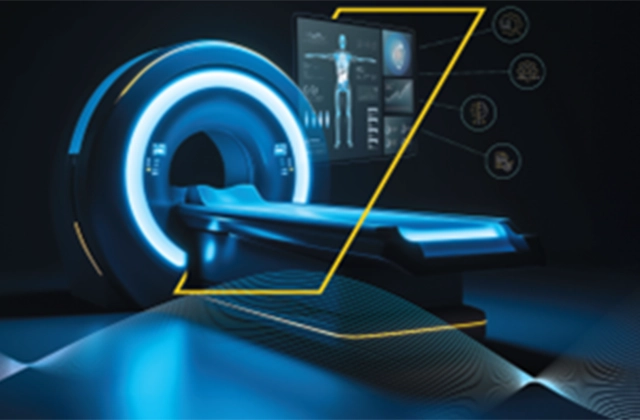
Vad vi erbjuder
Vi samarbetar med ledande företag inom hälso- och sjukvårdsbranschen för att utveckla innovativa medicintekniska produkter, uppkopplade hälsosystem och digitala plattformar, vilket omdefinierar patientvården och påskyndar tiden till marknaden.

Digital hälsa
Vi omdefinierar patientvården med AI-drivna appar, plattformsutveckling och avancerad analys.

Teknik för utrustning och försörjning
Påskynda innovation och hållbarhetsmodeller med AI-baserad design, testning och support för högpresterande enheter.

Kvalitets- och regelverkssäkerhet (QARA)
Förenkla den globala efterlevnaden med hjälp av AI-baserade insikter för att hantera utmaningar inom medicinteknikens regelverk och kvalitetsarbete.

Digital tillverkning
Revolutionera tillverkningen med AI-driven automatisering, fabriksflytt och lösningar för leveranskedjan.

Artificiell intelligens (AI)
Förändra hälso- och sjukvården med AI-driven diagnostik, prediktiv analys och individanpassade vårdkedjor.
Våra lösningar

AiCE
Lösningen optimerar processen för den kliniska utvärderingsrapporten (CER) genom att automatisera rapporteringen av litteratur, vilket ökar effektiviteten.

Chest-rAiᵀᴹ
Ett AI-baserat radiologiverktyg som är utformat för att upptäcka och rapportera lungavvikelser på röntgenbilder av bröstkorgen, vilket förbättrar diagnostisk noggrannhet och effektivitet.

Programvarustyrd endoskopi
I AI-driven plattform som förbättrar endoskopiska ingrepp genom avancerad bildvisualisering i realtid, beslutsstöd och förbättrade patientresultat.

AiKnoᵀᴹ
AI-driven plattform som förbättrar den industriella verksamheten genom att koppla samman anläggningstillgångar, analysera data och förutsäga utrustningens skick för proaktivt underhåll.

EDGYneer
En lösning för enhetshantering som förenklar anslutning, övervakning och underhåll av fjärranslutna enheter, vilket förbättrar driftseffektiviteten och enheternas drifttid.
MDaaS
En plattform som integrerar olika informationssystem inom hälso- och sjukvården, standardiserar datainsamlingen och säkerställer säker åtkomst till data från verkliga miljöer.

Ramverk för leverantörskvalitetsarbete
Förenkla efterlevnaden av leverantörskrav för tillverkare av medicintekniska produkter. Vi effektiviserar kvalitetshanteringen, sänker kostnaderna och förbättrar effektiviteten – så att ni kan fokusera på Innovation.

QAssure.ai AI
Den AI-drivna QARA-sviten förenklar dokumentationen, ger insikter, förbättrar övervakningen efter marknadsintroduktionen och påskyndar efterlevnaden av regelverket.
LTTS Edge

Branschkompetens
Medicinsk teknik och utrustning, utrustning för patientbehandling, uppkopplade hälsosystem, digitala plattformar för hälso- och sjukvård
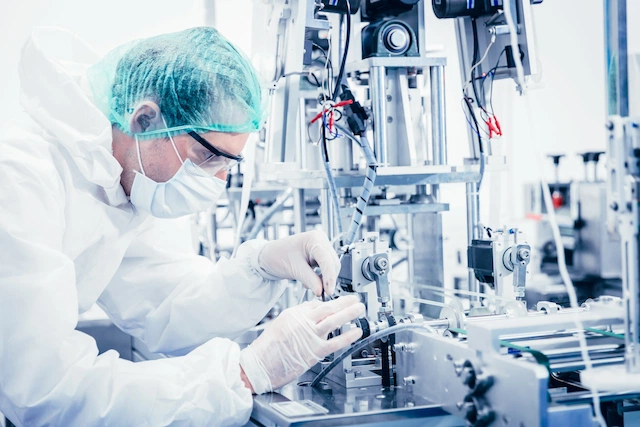
Starka partnerskap
Ledande branschsamarbeten, snabbare lanseringstid
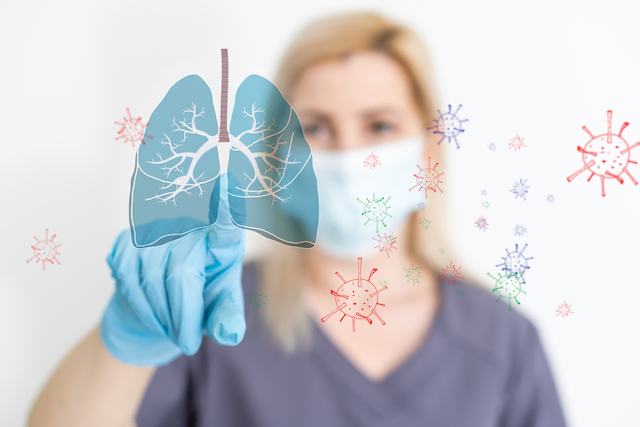
Ekosystem
Presenterar en banbrytande AI-upplevelsezon baserad på NVIDIA AI
Arvet
Lång erfarenhet av kvalitetsledningssystem (QMS) som OEM-leverantör inom hela produktutvecklings- och livscykelprocessen (PDLC) för FDA- och CE-godkända produkter – kvalitetssystem enligt ISO 13485 och IEC 60601
Framgångshistorier
Att förbättra hjärt- och kärlvården genom blodtrycksmätning utan manschett
LTTS:s AI-drivna övervakningsplattform utan manschetter revolutionerar hjärt- och kärlvården – och möjliggör kontinuerlig, prediktiv och individanpassad hälsoinformation på sjukhus, i hemmet och i fjä...
Läs mer
Demokratisering av diagnostik genom prisvärd blodcellsanalys
LTTS har utvecklat en prisvärd hematologianalysator av klinisk kvalitet – genom att kombinera mikrofluidik, inbyggda system och finmekanik för att göra diagnostik tillgänglig för alla på tillväxtmarkn...
Läs mer
En integrerad lösning för moderna kirurgiska arbetsflöden
Dagens sjukhus är stora, komplexa ekosystem som kopplas samman av flera, fristående AV- och IT-system och processer. Denna komplexitet påverkar effektiviteten och tvingar vårdgivare och p...
Läs mer
Förändring av globala regleringsramar för produkter inom fjärrövervakning av patienter och kliniska ...
Software as a Medical Device (SaMD), en typ av digital hälsoteknik, är fristående programvara som kan hjälpa vårdpersonal att fatta beslut, erbjuda behandlingsalternativ för ett tillstånd...
Läs mer
Optimering av klagomålshanteringen med hjälp av AI
Att hantera kundklagomål på ett effektivt sätt är avgörande för fortsatt framgång i verksamheten.
Läs mer
Resurser
The Engineering Behind the Medical Devices You Trust
LTTS accelerates MedTech innovation with end-to-end engineering, connected devices, AI, compliance expertise, and intelligent manufacturing transformation.
Beyond Supplier Quotes: Redefining Cost Leadership in Pharma...
Explore how LTTS helps pharmaceutical manufacturers achieve cost leadership through supply chain intelligence, cost transparency, and procurement optimization.

QAssure.Ai: LTTS:s AI-drivna QARA
QAssure.Ai från LTTS är en AI-driven QARA-lösning som möjliggör proaktiv efterlevnad, automatiserad dokumentation och revisionsberedskap för ledande företag inom medicinteknik.

Medicintekniska produkter
Det finns ett behov av effektivitet i verksamheten, både ur produktutvecklings- och tillverkningsprocessens perspektiv.

QAssure.Ai: LTTS’ AI-Powered QARA
QAssure.Ai by LTTS is an AI-powered QARA suite enabling predictive compliance, automated documentation, and audit readiness for MedTech leaders.
Medical Devices
here is a need for operational efficiency, both, from the product development and manufacturing process perspective.
Sustainable Supply Chains as the Next Growth Lever
Learn how Philips can turn sustainable supply chains and ESG‑aligned procurement into a powerful growth lever in the MedTech market with LTTS as an innovation partner.

Revolutionizing Medical Imaging with AI-Powered, Digital Sol...
The growing adoption of AI and cloud computing in medical imaging is increasingly becoming integral to the future of healthcare diagnostics. ...

ISG MedTech 2025 – Digital Engineering and Product Developme...
LTTS has been recognized as a Leader in MedTech - Digital Engineering and Product Development by the ISG Provider Lens™ report for 2025.

ISG MedTech 2025 – Regulatory Compliance, Strategy and Quali...
LTTS is proud to be recognized as a Leader in MedTech - Regulatory Compliance, Strategy, and Quality Assurance by the ISG Provider Lens® report for 2025.

Toward the Next Frontier: Engineering Self-Learning Medical ...
Self-learning medical devices, powered by AI, digital twins, and edge intelligence, enable adaptive, personalized, and anticipatory care, revolutionizing MedTech.
LTTS offers end-to-end medical device engineering across five areas: digital health, device and sustenance engineering, quality assurance and regulatory affairs (QARA), digital manufacturing, and AI in MedTech. We support OEMs from concept and design through verification, regulatory submission, manufacturing transfer and post-market. The goal is simple: faster time to market, lower operating cost and compliance built in, backed by more than 200 co-authored patents in medical technology.
Software as a Medical Device (SaMD) is software that performs a medical function, such as diagnosis or monitoring, without being part of a hardware device. It is developed under a regulated lifecycle, typically following IEC 62304, ISO 14971 for risk and IEC 62366 for usability. Validation proves the software meets its intended use. For AI-based SaMD, validation also covers data quality and model performance. LTTS brings hands-on experience from AI diagnostics such as Digital Twin, Visualization framework , Gesture control and Chest-rAi™.
LTTS helps manufacturers meet EU MDR and IVDR requirements through gap assessments, technical documentation support and EUDAMED UDI registration. For post-market surveillance, we run PMS and post-market follow-up, complaint handling, vigilance reporting, trend analysis and field actions such as recalls. The difference is closing the loop: we feed post-market data back into design, risk and quality decisions instead of treating it as a periodic reporting exercise.
Treat cybersecurity as a lifecycle discipline, not a pre-launch check. In design, that means threat modelling, security risk assessment, secure architecture and a software bill of materials (SBOM). Before release, it means security and penetration testing. After launch, it means vulnerability monitoring and timely patching. The FDA now expects this evidence in premarket submissions for cyber devices. LTTS builds these practices into your existing design control and quality processes.
LTTS supports the full device lifecycle with one engineering partner. In development, our teams cover system architecture, hardware, embedded software, mechanical design, usability, and verification and validation, with design history documentation built in from day one. In sustenance, we manage obsolescence, cost reduction, design changes and regulatory updates for products in the field. This frees internal R&D teams to focus on the next generation of products.
Start with a gap assessment. Since February 2, 2026, the FDA’s Quality Management System Regulation has incorporated ISO 13485:2016 by reference into 21 CFR Part 820. Priority areas include risk management across processes, design controls, supplier controls and inspection readiness. LTTS helps teams assess and remediate their QMS, configure eQMS workflows and strengthen CAPA, change control and audit management, so compliance becomes an everyday habit rather than a last-minute scramble.
Connected devices need testing across hardware, software, connectivity, cybersecurity and usability. Typical scope includes software V&V aligned to IEC 62304, IEC 60601 electrical safety and EMC, wireless coexistence, interoperability with apps and cloud platforms, penetration testing and human factors validation. LTTS supports test strategy, automation, protocols and reports, with full traceability to requirements and risks, so the evidence is ready for submission when you need it.
LTTS applies AI where it has a measurable impact. In diagnostics, Digital Twin, Chest-rAi™ helps radiologists separate normal from abnormal chest X-rays, and our software-defined endoscopy, built with NVIDIA, enables real-time image enhancement and polyp detection. In quality and regulatory work, QAssure.ai makes compliance more predictable. In engineering, AI speeds up design, testing and sustenance. Clinical and regulatory experts stay in control of every decision.