


医療機器・ライフサイエンス
LTTSは、世界の主要な医療機器OEMと提携し、比類のない業務効率を推進することで、研究開発のブレークスルーを実現し、手頃な価格で安全な患者ケアにわたるデジタルエクセレンスのインクリメントを可能にします。LTTSは、デジタルヘルス、デバイスおよびサステナンスエンジニアリング、QARA(品質保証および薬事)、デジタル製造、医療技術におけるAIなど、お客様の市場投入までの時間を短縮し、運用コストを最適化することに重点を置いています。
当社の200件を超える共著特許ポートフォリオは、医療技術革新への深いコミットメントを反映しています。
遠隔患者モニタリングシステムや精密診断の開発から、製造現場におけるインテリジェント・オートメーションの導入まで、LTTSのエンジニアはヘルスケアの提供方法と経験方法の再定義を支援します。私たちは、コネクテッド・ヘルスケア、ウェアラブル、AI、デジタル・マニュファクチャリングの進歩を活用し、患者のケアとウェルビーイングの次なる最前線に革命を起こし続けます。
お客様のシステムを最適化し、より良い明日への道を切り開くために、私たちにご協力させてください。
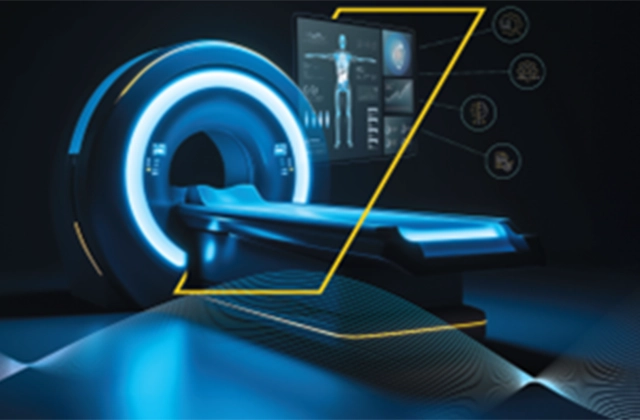
サービス内容
革新的な医療機器、コネクテッド・ヘルス・システム、デジタル・プラットフォームを開発し、患者ケアを再定義し、市場投入までの時間を短縮するために、大手ヘルスケア企業と提携しています。


ソリューション


MDaaS
さまざまな医療情報システムを統合し、データ収集を標準化し、実世界のデータへの安全なアクセスを保証するプラットフォーム。


QAssure.ai
AI-powered QARA suite simplifying documentation, delivering insights, improving post-market monitoring, and accelerating regulatory compliance.
LTTSエッジ

ドメインの専門知識
医療技術・機器、患者治療機器、コネクテッド・ヘルス・システム、デジタル・ヘルスケア・プラットフォーム
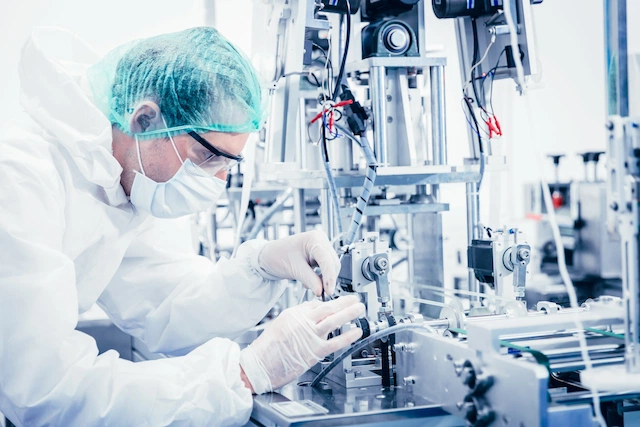
強固なパートナーシップ
業界をリードするコラボレーション、市場投入までの時間を短縮

エコシステム
NVIDIA AIを活用した最先端のAI体験ゾーンを公開
レガシー
PDLC FDAおよびCE承認製品におけるOEM QMSとしてのレガシー経験 品質システム間 - ISO 13485、IEC 60601
サクセスストーリー
最新の手術ワークフローのための統合ソリューション
今日の病院は、大規模で複雑な生態系を持ち、複数のAVシステムやITシステム、プロセスによってリンクされている。この複雑さは効率に影響し、医療従事者やスタッフはケアに関係のないタスクに貴重な時間を費やすことを余儀なくされます。 LTTSの統合ソリューションは、主要な手術イベントに関するデータの収集、チェックリストの完了の促し、チームメンバー間のテキストコミュニケーションの...
詳しく知る
遠隔患者モニタリングと臨床試験製品のグローバル・コンプライアンス・パラダイムを変革する
デジタルヘルス技術の一種であるSaMD(Software as a Medical Device)は、臨床医の意思決定を支援し、疾患の治療選択肢を提供し、さらには生命を脅かす疾患の早期診断を可能にするスタンドアロン型のソフトウェアである。 SaMDが成長するにつれ、規制当局は頻繁に更新され、安全性や有効性が変わる可能性のあるソフトウェアを規制するという課題に直面している...
詳しく知る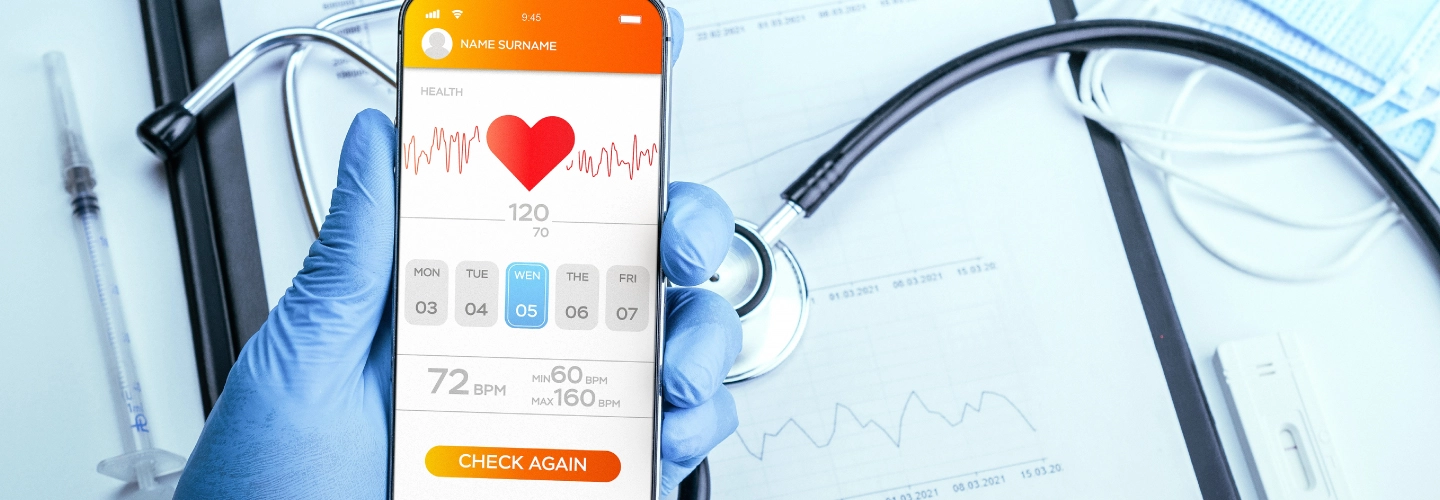

リソース
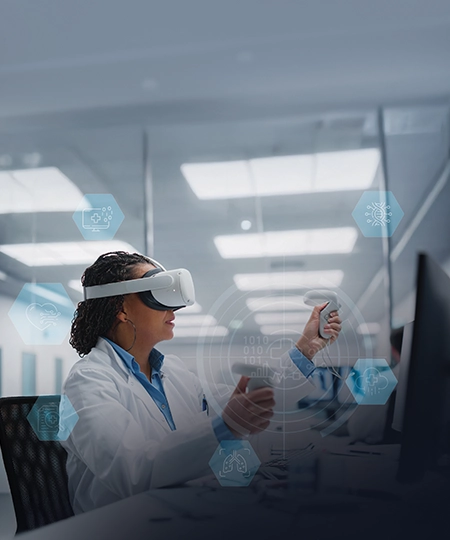
The Engineering Behind the Medical Devices You Trust
LTTS accelerates MedTech innovation with end-to-end engineering, connected devices, AI, compliance expertise, and intelligent manufacturing transformation.
Beyond Supplier Quotes: Redefining Cost Leadership in Pharma...
Explore how LTTS helps pharmaceutical manufacturers achieve cost leadership through supply chain intelligence, cost transparency, and procurement optimization.


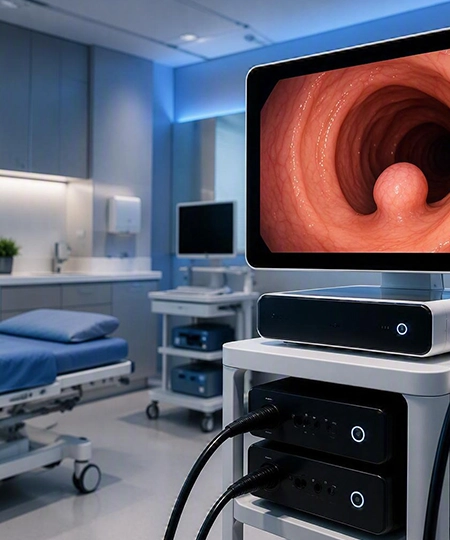
AI-driven Smart Endoscopy
LTTS' AI-driven Smart Endoscopy delivers real-time clinical intelligence via a software-defined, reconfigurable platform—enabling >90% detection accuracy and sub-15ms latency.
QAssure.Ai: LTTS’ AI-Powered QARA
QAssure.Ai by LTTS is an AI-powered QARA suite enabling predictive compliance, automated documentation, and audit readiness for MedTech leaders.

ISG MedTech 2025 - デジタルエンジニアリングと製品開発 - 米国
LTTSは、2025年のISG Provider Lens™レポートにおいて、医療技術-デジタルエンジニアリングおよび製品開発のリーダーとして認定されました。

Sustainable Supply Chains as the Next Growth Lever
Learn how Philips can turn sustainable supply chains and ESG‑aligned procurement into a powerful growth lever in the MedTech market with LTTS as an innovation partner.

次のフロンティアへ:自己学習型医療機器のエンジニアリング
AI、デジタル・ツイン、エッジ・インテリジェンスを搭載した自己学習型医療機器は、適応的、個別的、予期的な治療を可能にし、医療技術に革命をもたらす。
ISG MedTech 2025 – Digital Engineering and Product Developme...
LTTS has been recognized as a Leader in MedTech - Digital Engineering and Product Development by the ISG Provider Lens™ report for 2025.
ISG MedTech 2025 – Regulatory Compliance, Strategy and Quali...
LTTS is proud to be recognized as a Leader in MedTech - Regulatory Compliance, Strategy, and Quality Assurance by the ISG Provider Lens® report for 2025.

Toward the Next Frontier: Engineering Self-Learning Medical ...
Self-learning medical devices, powered by AI, digital twins, and edge intelligence, enable adaptive, personalized, and anticipatory care, revolutionizing MedTech.
LTTS offers end-to-end medical device engineering across five areas: digital health, device and sustenance engineering, quality assurance and regulatory affairs (QARA), digital manufacturing, and AI in MedTech. We support OEMs from concept and design through verification, regulatory submission, manufacturing transfer and post-market. The goal is simple: faster time to market, lower operating cost and compliance built in, backed by more than 200 co-authored patents in medical technology.
Software as a Medical Device (SaMD) is software that performs a medical function, such as diagnosis or monitoring, without being part of a hardware device. It is developed under a regulated lifecycle, typically following IEC 62304, ISO 14971 for risk and IEC 62366 for usability. Validation proves the software meets its intended use. For AI-based SaMD, validation also covers data quality and model performance. LTTS brings hands-on experience from AI diagnostics such as Digital Twin, Visualization framework , Gesture control and Chest-rAi™.
LTTS helps manufacturers meet EU MDR and IVDR requirements through gap assessments, technical documentation support and EUDAMED UDI registration. For post-market surveillance, we run PMS and post-market follow-up, complaint handling, vigilance reporting, trend analysis and field actions such as recalls. The difference is closing the loop: we feed post-market data back into design, risk and quality decisions instead of treating it as a periodic reporting exercise.
Treat cybersecurity as a lifecycle discipline, not a pre-launch check. In design, that means threat modelling, security risk assessment, secure architecture and a software bill of materials (SBOM). Before release, it means security and penetration testing. After launch, it means vulnerability monitoring and timely patching. The FDA now expects this evidence in premarket submissions for cyber devices. LTTS builds these practices into your existing design control and quality processes.
LTTS supports the full device lifecycle with one engineering partner. In development, our teams cover system architecture, hardware, embedded software, mechanical design, usability, and verification and validation, with design history documentation built in from day one. In sustenance, we manage obsolescence, cost reduction, design changes and regulatory updates for products in the field. This frees internal R&D teams to focus on the next generation of products.
Start with a gap assessment. Since February 2, 2026, the FDA’s Quality Management System Regulation has incorporated ISO 13485:2016 by reference into 21 CFR Part 820. Priority areas include risk management across processes, design controls, supplier controls and inspection readiness. LTTS helps teams assess and remediate their QMS, configure eQMS workflows and strengthen CAPA, change control and audit management, so compliance becomes an everyday habit rather than a last-minute scramble.
Connected devices need testing across hardware, software, connectivity, cybersecurity and usability. Typical scope includes software V&V aligned to IEC 62304, IEC 60601 electrical safety and EMC, wireless coexistence, interoperability with apps and cloud platforms, penetration testing and human factors validation. LTTS supports test strategy, automation, protocols and reports, with full traceability to requirements and risks, so the evidence is ready for submission when you need it.
LTTS applies AI where it has a measurable impact. In diagnostics, Digital Twin, Chest-rAi™ helps radiologists separate normal from abnormal chest X-rays, and our software-defined endoscopy, built with NVIDIA, enables real-time image enhancement and polyp detection. In quality and regulatory work, QAssure.ai makes compliance more predictable. In engineering, AI speeds up design, testing and sustenance. Clinical and regulatory experts stay in control of every decision.