



Automobilindustrie
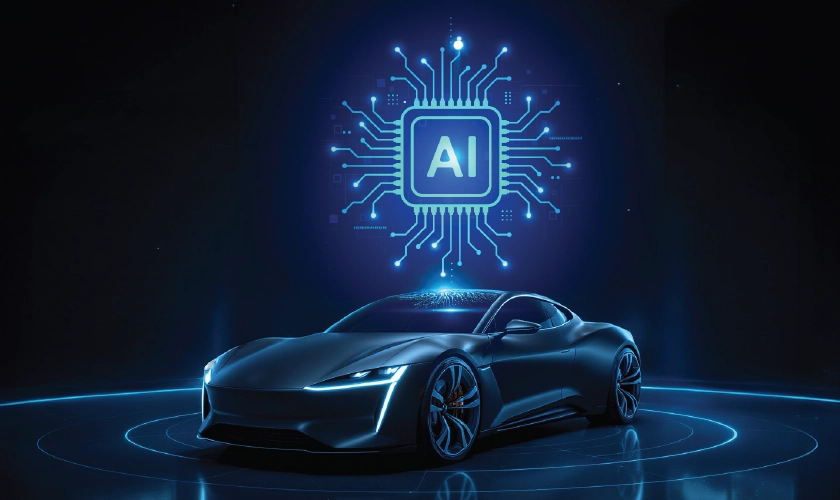
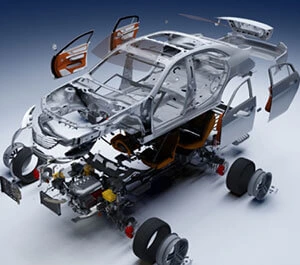
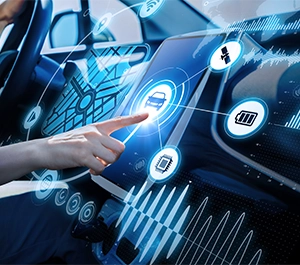
Wir erleben derzeit einen tiefgreifenden Wandel des Ökosystems in der Automobilentwicklung. Software spielt eine zunehmend entscheidende Rolle bei der Definition, Steuerung und Umsetzung der verschiedenen Aspekte des Fahrzeugbetriebs. Das sich wandelnde Paradigma, das die Zukunft der Mobilität prägt, umfasst die Gewährleistung erhöhter Sicherheit, die Verbesserung der Leistung und die Schaffung eines neu definierten Nutzererlebnisses.
Infolgedessen befindet sich die globale Automobilindustrie im Wandel, wobei der Schwerpunkt auf der Nutzung eines zentralisierten, leistungsstarken Rechensystems mit zonengestützten (oder domänengesteuerten) Architekturen liegt, das dazu beiträgt, die Zukunft softwaredefinierter Fahrzeuge (SDVs) zu verwirklichen.
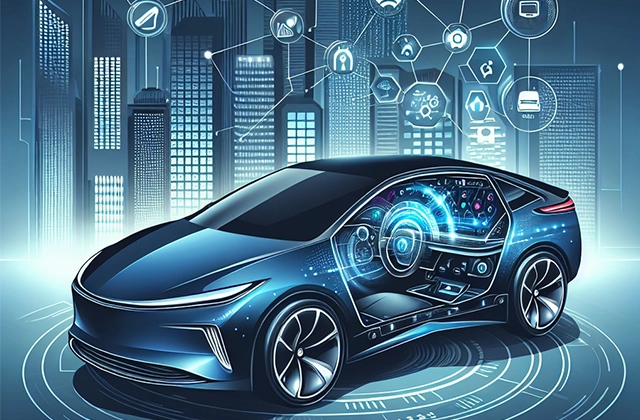
Durch die Kombination fundierter Erfahrungen im Automobilbau in den Bereichen Fahrzeugelektrifizierung, autonomes Fahren, vernetzte Mobilität und Fahrzeugentwicklung mit unserem breiten Spektrum an innovativen Mobilitätslösungen ermöglicht LTTS seinen globalen Kunden, die nächste Welle der Mobilität voranzutreiben. Unsere globalen Teams arbeiten mit einigen der größten Automobilhersteller, OEMs und Tier-1-Zulieferern zusammen, um bestehende Herausforderungen zu bewältigen, neue Chancen zu erschließen und robuste Wertschöpfungsmodelle über den gesamten Lebenszyklus von Fahrzeugen hinweg voranzutreiben.
Den Erfolg des globalen Automobilgeschäfts sichern



Neue Wertparadigmen in der Automobilbranche schaffen

Softwareentwicklung
Neudefinition des Nutzererlebnisses, der Fahrzeugleistung, der Sicherheit und der Automatisierung

Embedded-Entwicklung
Durch die Entwicklung eingebetteter Software und Hardware neue Möglichkeiten für die Mobilität der nächsten Generation erschließen

Dienstleistungen im Bereich der digitalen Fertigung
Für eine schlankere, sauberere und umweltfreundlichere Fertigung der nächsten Generation intelligenter Mobilität

Digitales Ingenieurwesen
Gestaltung der nächsten Dimensionen der Nutzer- und vernetzten Erfahrung durch ein wirklich digitales Ökosystem

Maschinenbau
Unterstützung bei der Entwicklung komplexer Konstruktionen, der Prototypenerstellung und der Automatisierung für Fahrzeugsysteme der nächsten Generation
Unsere Lösungen

eVOLTTS
Interne E-Mobilitätsplattform für Elektrofahrzeuge der nächsten Generation

EDGYneer
Edge-Management-Framework

REFACTO
AUTOSAR-Framework für Automatisierung und Beschleunigung

EmbedVIO
Framework für Hardware- und Software-Virtualisierung

MicroHIL
Kostenoptimierte, HIL-basierte und individuell anpassbare Testlösung für Geräte- und HIL-Farmen

AnnotAI
KI-basierte, cloudunabhängige End-to-End-Plattform für die automatische Datenannotation

Fahrzeugnetzwerk-/Leistungssimulator für mehrere Steuergeräte
Automatisierte Testabfolge für Einschalt- und Netzwerkmanagementtests bei mehreren Steuergeräten

Adaptives AUTOSAR-Middleware-Framework
Einrichtung und Portierung einer adaptiven AUTOSAR-Version in einer AWS-Umgebung

SimMBD
Werkzeug für modellbasierte Entwicklung und Tests

Vernetztes Auto
Umfassende Telematik-Plattform als Dienstleistung (PaaS)

Sichere Auto-Plattform
Sichere Datenerfassung und -übertragung für ML-SOTA-/FOTA-Updates

EvQUAL
Android-basiertes Testautomatisierungs-Framework für Infotainment-Systeme im Fahrzeug und das digitale Cockpit

SafeX
Ein cloudbasiertes und CI/BA-gesteuertes Framework für funktionale Sicherheit sowie ein Testplaner zur Bereitstellung von Arbeitsumgebungen für die Softwareentwicklung und -prüfung

AD-Plattform
Eigene Plattform für autonome Mobilität für autonome Fahrzeuge der nächsten Generation
Führende Laborinfrastruktur
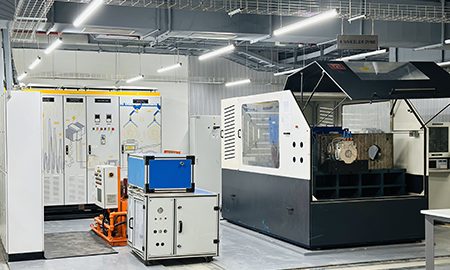
Labor für Elektrofahrzeuge
Innovations- und Entwicklungszentrum für die Konstruktion und Erprobung von Komponenten und Systemen für Elektrofahrzeuge der nächsten Generation
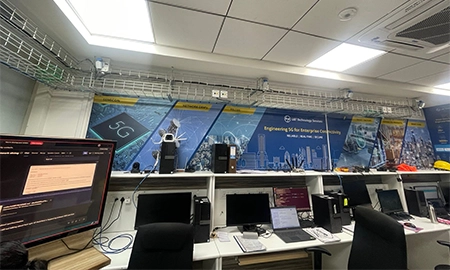
5G-Labor
Schwerpunkt auf Dienstleistungen in den Bereichen 5G-Entwicklung, NFV-Benchmarking, Validierung und Design
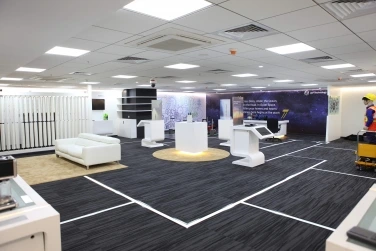
IoT-Labor
Ein Ort, an dem IoT-Lösungen zum Leben erweckt werden – von vernetzten Mitarbeitern über intelligente Zapfsäulen bis hin zu prädiktiver Analytik und industrieller Cybersicherheit
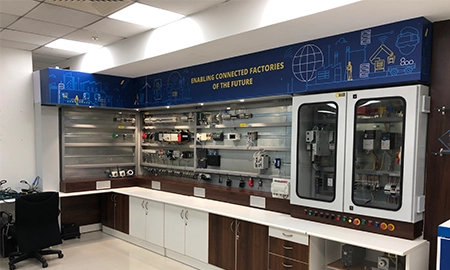
Factory Next Lab
Spezialisiert auf technische Lösungen für das Fertigungsmanagement
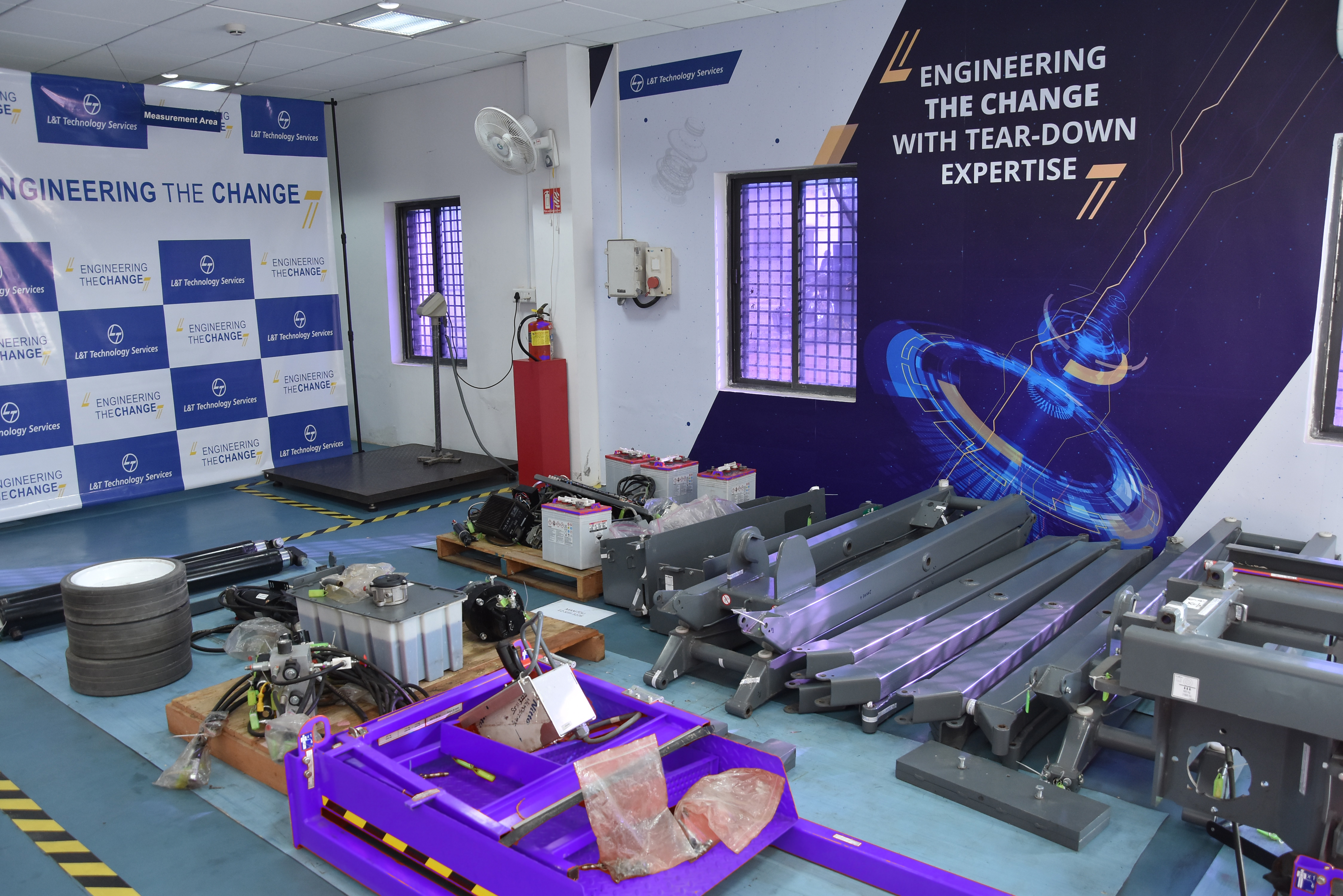
Labor für Demontage und Produktentwicklung
Das Zentrum für Value Engineering und Value Analysis konzentriert sich auf die Lösung komplexer Mobilitätsherausforderungen, um Innovationen voranzutreiben und Wettbewerbsvorteile zu schaffen.
Erfolgsgeschichten
Pionierarbeit für 5G-Konnektivität in der Automobilindustrie: Eine Fallstudie zum Testen von Telemat...
In der sich schnell entwickelnden Automobilbranche wollte unser Kunde durch die Integration von 5G-Konnektivität der nächsten Generation in seine Fahrzeuge an der Spitze der Innovation stehen.
Mehr erfahren
Entwicklung und Test von Cockpit-Software für EU-OEM
LTTS hat unserem Kunden geholfen, seine Produktlinie zu standardisieren, eine zentrale Plattform für Infotainment im Fahrzeug zu entwickeln und eine schnellere Markteinführung zu erreichen, während gl...
Mehr erfahren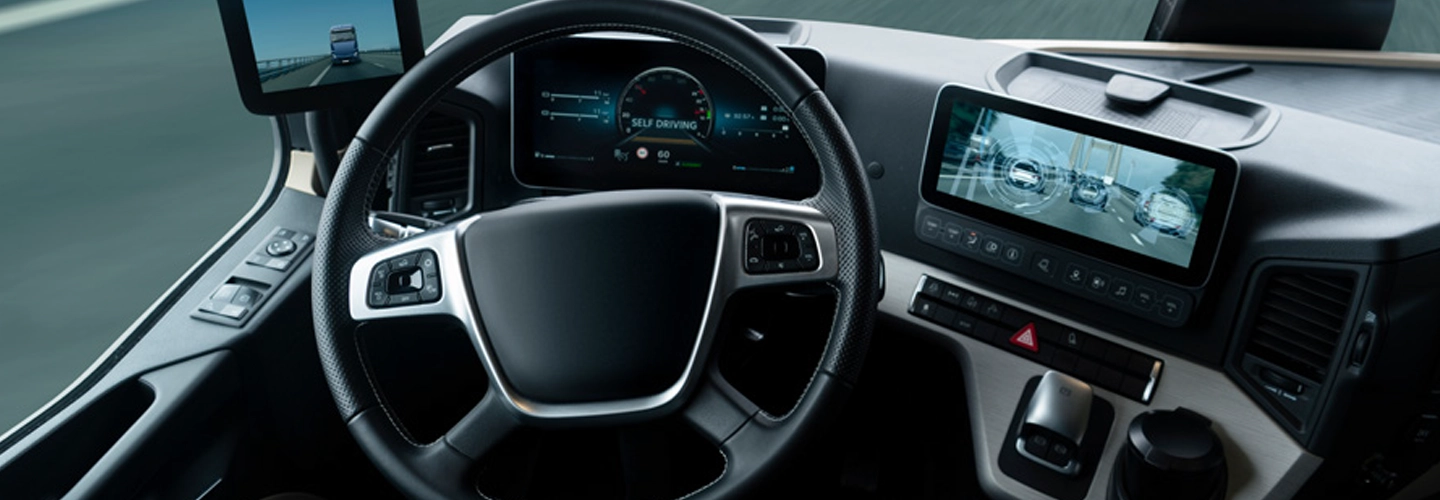
Integriertes eAXLE für Elektrofahrzeuge der nächsten Generation
In der sich schnell entwickelnden Landschaft der Automobiltechnologie wollte unser Kunde durch die Integration verschiedener E-Antriebskomponenten eine führende Rolle bei der Innovation spielen
Mehr erfahren
DC-Schnellladegerät für ein führendes Tier-1-Unternehmen der Automobilindustrie
Schnelles Laden ist entscheidend für den Erfolg und die Zukunft der weltweiten Initiativen zur Elektrifizierung von Fahrzeugen
Mehr erfahren
Hochpräzise Datenbeschriftung für autonomes Fahren
Der technische Experte von LTTS entwickelte eine KI-basierte Lösung für die Datenbeschriftung, um die Beschriftung von Objekten und den Aufbau einer beschrifteten Datenbank zu unterstützen
Mehr erfahren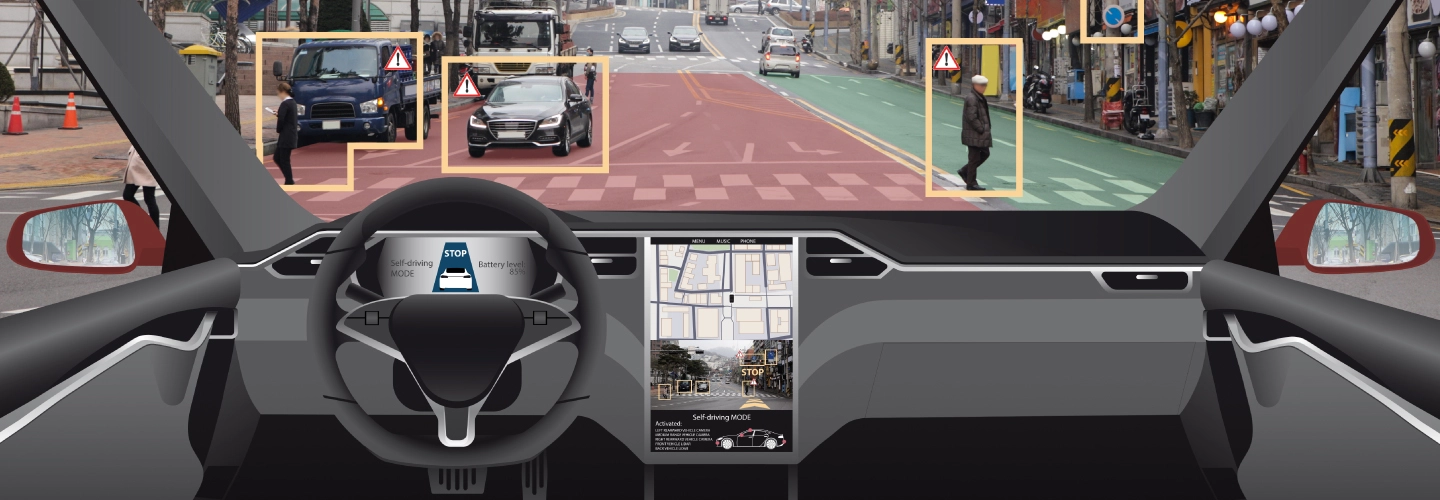
Ressourcen
Der unsichtbare Motor: Warum die Zukunft der Mobilität auf d...
Technische Intelligenz – und nicht bloße Funktionen – ist der neue Wettbewerbsvorteil in der Mobilität und bestimmt, wie softwaredefinierte Fahrzeuge lernen, sich anpassen und weiterentwickeln.

Die Ökonomie der ADAS-Wahrnehmung
Erfahren Sie, wie sich die Wirtschaftlichkeit der ADAS-Wahrnehmung von den Sensorkosten auf Architektur, Integration, Validierung und Wettbewerbsfähigkeit softwaredefinierter Fahrzeuge verlagert.

Wenn Fahrzeuge anfangen zu denken: Der Aufstieg der KI-geste...
Erfahren Sie, wie KI-basierte Mobilität softwaredefinierte Fahrzeuge durch kontextbezogene Intelligenz, Autonomie, vorausschauende Wartung und intelligentes Engineering neu gestaltet.

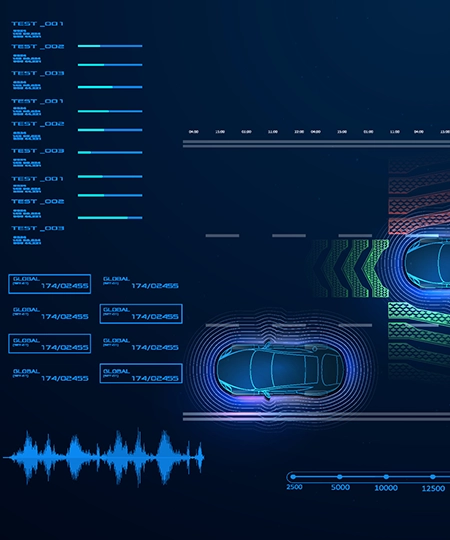
Everest Group Software-defined Vehicle (SDV) Engineering Ser...
LTTS wurde von der Everest Group als Leader in der PEAK Matrix® Bewertung 2025 für SDV Engineering Services ausgezeichnet.
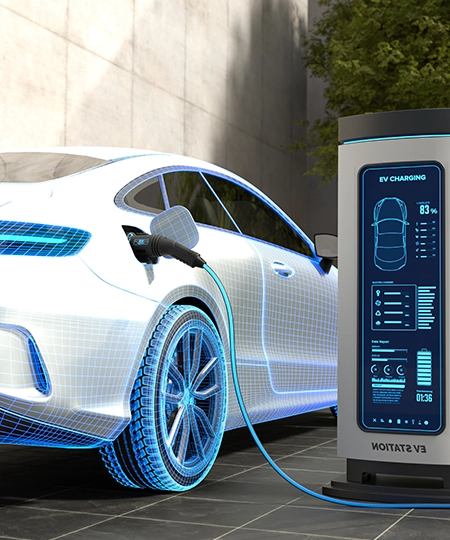
ISG Electric Vehicles and Mobility Services - Nordamerika
LTTS wurde im ISG-Bericht 2025 Provider Lens® als führendes Unternehmen im Bereich Automobil- und Mobilitätsdienstleistungen und -lösungen - Elektrofahrzeuge und Mobilitätsdienstleistungen - Nordamerika ausgezeichnet.
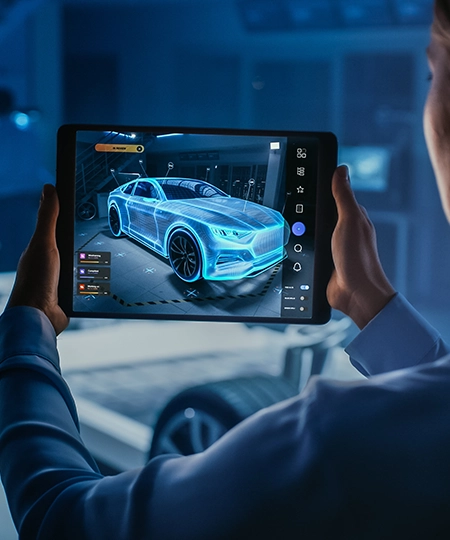
ISG Automotive und Mobility Services und Lösungen - Nordamer...
LTTS wurde im ISG Provider Lens®-Bericht 2025 als führendes Unternehmen im Bereich Automobiltechnik und Fertigungsdienstleistungen – Nordamerika ausgezeichnet.
Von der Fahrzeugarchitektur zur technischen Intelligenz
LTTS ist Vorreiter bei technischen Innovationen und verfügt über Fachkompetenz in den Bereichen SDV-Transformation, KI-Analytik, Cybersicherheit und Validierung digitaler Zwillinge, wodurch das Unternehmen den globalen technologischen Fortschritt vorantreibt.

Die Rolle der künstlichen Intelligenz für die Cybersicherhei...
KI-gesteuerte Lösungen verbessern die Cybersicherheit in der Automobilindustrie, indem sie Schwachstellen abschwächen, SDV-Architekturen sichern, die Einhaltung von Vorschriften gewährleisten und die Zusammenarbeit für eine anpassungsfähige, robuste Sicherheit fördern.
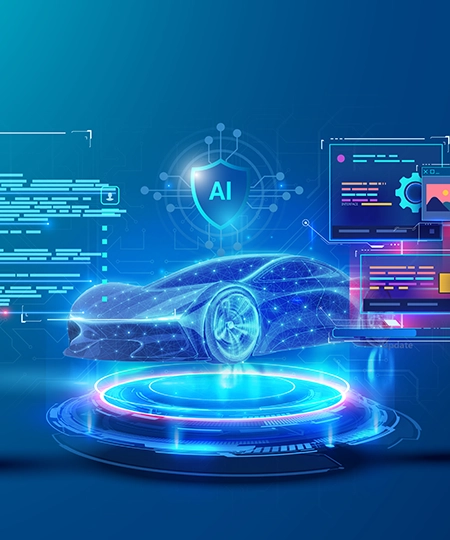
Vorbereitungen für SDV2.0: Wichtige Überlegungen für globale...
Das Interesse am Software-Defined Vehicle (SDV) ist groß - und der Trend beschleunigt sich.

Revolutionierung softwaredefinierter Fahrzeuge mit serviceor...
Technische Innovationen werden oft als die treibende Kraft für den Fortschritt unserer Zivilisation angesehen. Von Handheld-Geräten bis hin zu den mächtigen Raketen für die Erforschung des Weltraums - in der Technik liegt der Schlüssel für die Zukunft.

Die SDV-EV-Konvergenz: Wegbereiter einer neuen Ära der intel...
Elektrofahrzeuge sind für eine saubere und nachhaltige Zukunft unverzichtbar, da sie dazu beitragen, die Treibhausgasemissionen zu senken und die Luftqualität zu verbessern.
Fahrzeugtechnik
LTTS revolutioniert die Automobiltechnik mit seiner Expertise in den Bereichen SDVs, Elektrifizierung, autonomes Fahren und vernetzte Mobilität und liefert innovative, nachhaltige Lösungen für globale Automobilhersteller.

LTTS provides solutions & services to automotive OEMs and Tier 1 suppliers across the vehicle development lifecycle, spanning software-defined mobility, eMobility, autonomous driving, connected mobility, smart cockpits, body and vehicle dynamics, and vehicle engineering. Its multidisciplinary capabilities cover E/E architecture, in-vehicle platform software, embedded systems, virtual development and validation, cybersecurity, AI-led engineering, and product and manufacturing engineering. Backed by 20+ years of automotive experience, 30+ ready-to-deploy platforms, frameworks and accelerators, and a global design centers, labs and CoEs, LTTS helps customers address complex engineering challenges and accelerate next-generation vehicle development.
LTTS supports end-to-end electric vehicle development, from system design and controls engineering to component development, integration, and validation. Its capabilities span battery management systems, electric motors and drives, power electronics, electric powertrains, and onboard and offboard charging systems, backed by extensive automotive experience and ready-to-deploy platforms, frameworks, and accelerators. LTTS’s eMobility Lab is NABL-accredited as per ISO/IEC 17025 standards and offers performance, endurance, and functional testing for critical EV components, helping customers validate reliability and performance across the development lifecycle.
LTTS enables connected and immersive vehicle experiences by connecting in-vehicle systems with telematics, cloud platforms, data services, and secure connectivity. Its capabilities span connected vehicle engineering, digital cockpit and infotainment experiences, vehicle-to-cloud integration, and secure over-the-air software and firmware updates. By combining onboard and offboard engineering, LTTS helps OEMs remotely enhance vehicle features, deliver personalized experiences, and keep vehicles connected, secure, and continuously up to date across the lifecycle.
A software-defined vehicle uses software to define and continuously enhance vehicle functions, performance, and user experience. It shifts automotive development toward centralized or zonal architectures, enabling faster software integration, virtual validation, over-the-air updates, and continuous safety and compliance assurance. LTTS supports this transition through E/E architecture, platform software, cloud, cybersecurity, automated validation, and lifecycle traceability.
ADAS and autonomous vehicle development require integrated capabilities across sensor engineering, perception, sensor fusion, localization, intelligent algorithms, decision-making, path planning, and vehicle control. LTTS brings these disciplines together to support development from system design through real-world validation, backed by expertise in functional safety and cybersecurity. This integrated approach helps OEMs develop safer, more reliable, and scalable automated-driving systems across the vehicle lifecycle.
Automotive testing and virtual validation reduce development time by enabling engineers to test vehicle systems and software earlier, before physical prototypes are fully available. LTTS combines simulation, virtualization, scenario-based testing, and automated verification and validation to identify issues sooner, improve test coverage, and reduce repeated physical testing. This shift-left approach supports faster engineering iterations and helps OEMs bring safer, more reliable vehicles to market efficiently.