




Automotive
We are witnessing a massive ecosystem transformation in automotive product engineering. Software is increasingly playing a critical role, defining, controlling, and driving the different aspects of vehicle operation. The evolving paradigm, shaping the future of mobility, includes ensuring enhanced safety, improving performance, and enabling a redefined user experience.
As a result, the global automotive industry is being transformed, with a focus on leveraging a centralized, high-performance compute system, with zone- (or domain-controller)-based architectures, helping realize the future of software-defined vehicles (SDVs).
Leveraging a combination of in-depth automotive engineering experiences across vehicle electrification, autonomous drive, connected mobility, and vehicle engineering, combined with our wide range of innovative mobility solutions, LTTS is enabling global customers drive the next wave of mobility. Our global teams work with some of the largest auto manufacturers, OEMs, and Tier 1s to address existing challenges, unlock new opportunities, and drive robust value paradigms across the automotive lifecycle journey.

Ensuring Global Automotive Business Success





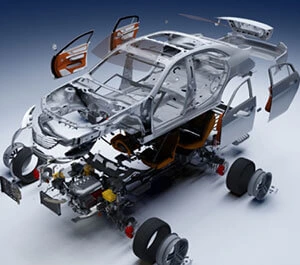

Delivering New Automotive Value Paradigms

Software Engineering
Redefining new user experience, vehicle performance, enhanced safety, and automation

Embedded Engineering
Engineering new possibilities for next gen-mobility through embedded software and hardware development

Digital Manufacturing Services
Enabling leaner, cleaner, and greener manufacturing of the next generation of smart mobility

Digital Engineering
Shaping the next frontiers of user and connected experience through a truly digital eco-system

Mechanical Engineering
Facilitating complex design, prototyping, and automation for next-gen vehicle systems
Tell Us What You’re Looking For in Automotive
Handpicked for You
Our Solutions

eVOLTTS
In-House e-Mobility platform for next-gen electric vehicles

EDGYneer
Edge Management Framework

REFACTO
AUTOSAR automation & acceleration framework

EmbedVIO
Hardware and software virtualization framework

MicroHIL
Cost-optimized HIL-based customizable test solution for device/HIL farms

AnnotAI
AI-based, cloud-agnostic, end-to-end automatic data annotation platform

Multi ECU Vehicle Network/Power Simulator
Automated test sequencing of power-up and network management test for Multi ECUs

Adaptive AUTOSAR Middleware Framework
Board bring up and porting of adaptive AUTOSAR version in AWS environment

SimMBD
Model-Based Development and Testing Tool

Connected Car
End-to-end Telematics Platform-as-a-Service

Secure Car Platform
Secure data collection and transfer for ML SOTA/FOTA updates

EvQUAL
Android-based test automation framework for in-vehicle infotainment and digital cockpit

SafeX
Cloud-enabled and CI/BA-driven functional safety framework and test scheduler to enable workbenches for software development and testing

AD Platform
In-house autonomous mobility platform for next-gen autonomous vehicles
Leading Lab Infrastructure
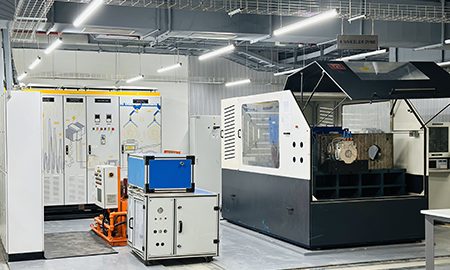
Electric Vehicle Lab
Innovation design center for engineering and testing of next-gen electric vehicle components and systems
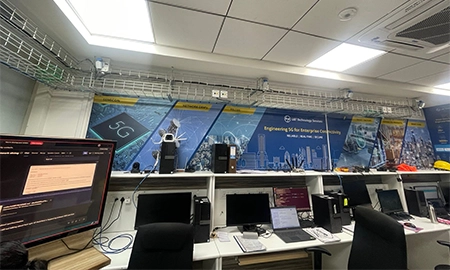
5G Lab
Focused on for 5G development, NFV Benchmarking, Validation, and Design services
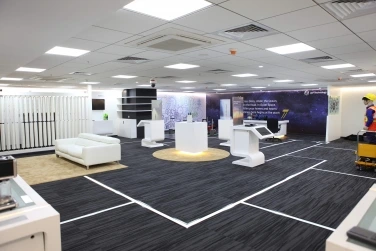
IOT Lab
A place where IoT solutions come to life- from connected workers to smart fuel dispensers, predictive analytics and industrial cybersecurity
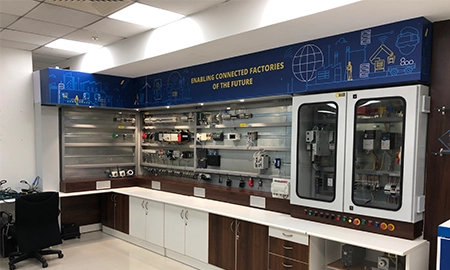
Factory Next Lab
Focused on engineering solutions for manufacturing operations management
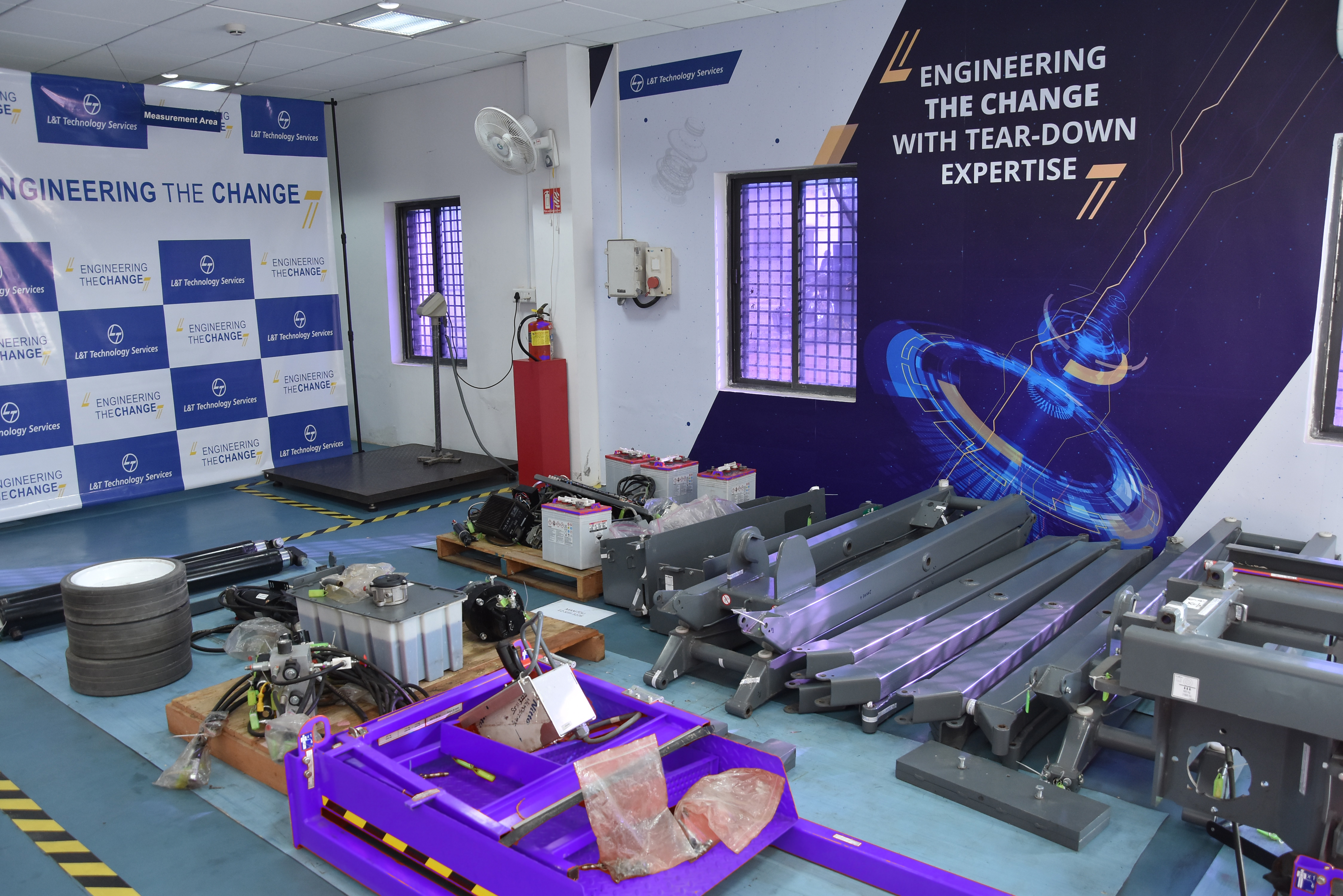
Teardown & Product Engineering Lab
Value Engineering & and Value Analysis Center focuses on solving complex mobility challenges to drive innovation and competitive advantage
Success Stories
Heavy-Duty Edge Intelligence: Driving Autonomy and Absolute Safety in Rugged Mining Environments
LTTS engineered a rugged edge AI platform for autonomous mining, enabling real-time intelligence, resilience, and safer operations.
Know More
Pioneering 5G Connectivity in Automotive: A Case Study on Next-gen Telematics Control Unit and Conne...
In the rapidly evolving automotive sector, our client aimed to be at the forefront of innovation by integrating next-generation 5G connectivity into their vehicles.
Know More
Cockpit Software Development & Testing for EU OEM
LTTS helped our client standardize their product line, develop a centralized platform for in-vehicle infotainment, and achieve faster time-to-market while reducing development time and costs
Know More
Integrated eAXLE for Next-Gen Electric Vehicles
In the rapidly evolving automotive technology landscape, our client aimed to lead innovation by integrating various e-powertrain components including an electric motor...
Know More
DC Fast Grid Charger for a Leading Automotive Tier-1 Company
Fast charging is critical to the success and future of global vehicle electrification initiatives
Know More
High-accuracy Data Labeling for Autonomous Driving
LTTS’ technical expert developed an AI-based data labeling solution to help annotate objects & build a labeled database
Know More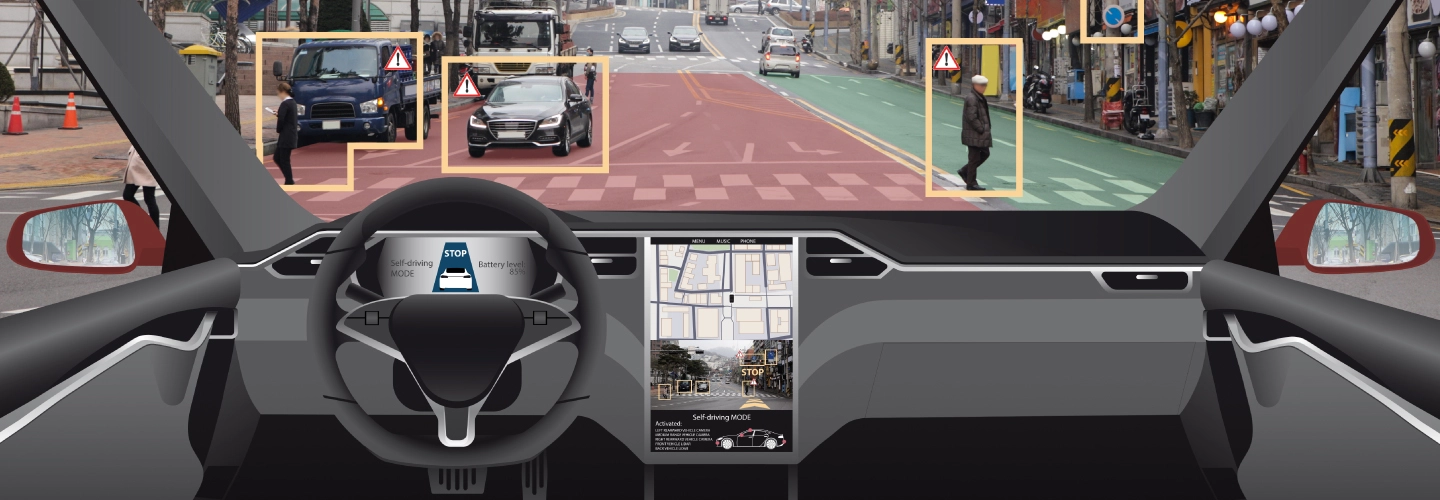
Resources
The Invisible Engine: Why the Future of Mobility Will Be Won...
Engineering intelligence - not features - is the new competitive edge in mobility, powering how Software-Defined Vehicles learn, adapt, and evolve.

The Economics of ADAS Perception
Explore how ADAS perception economics are shifting from sensor costs to architecture, integration, validation, and software-defined vehicle competitiveness.

When Vehicles Start Thinking: The Rise of AI-Native Mobility
Explore how AI-native mobility is reshaping software-defined vehicles through contextual intelligence, autonomy, predictive maintenance, and intelligent engineering.

Everest Group Software-defined Vehicle (SDV) Engineering Ser...
LTTS has been recognized as a Leader in SDV Engineering Services PEAK Matrix® Assessment 2025 by Everest Group.
ISG Electric Vehicles and Mobility Services – North America
LTTS has been recognized as a Leader in Automotive and Mobility Services and Solutions – Electric Vehicles and Mobility Services – North America in the 2025 ISG Provider Lens® report.
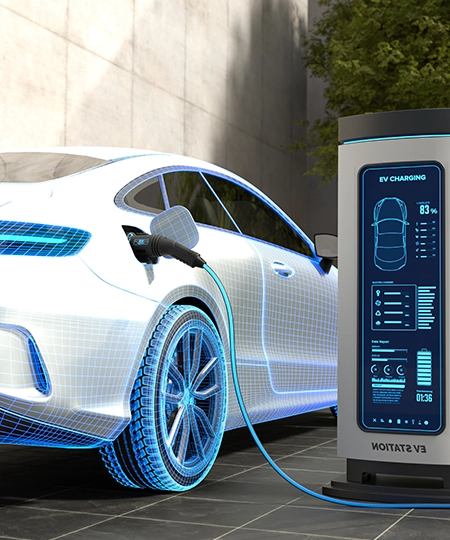
ISG Automotive and Mobility Services and Solutions - North A...
LTTS has been recognized as a Leader in Automotive Engineering and Manufacturing Services - North America in the 2025 ISG Provider Lens® report.
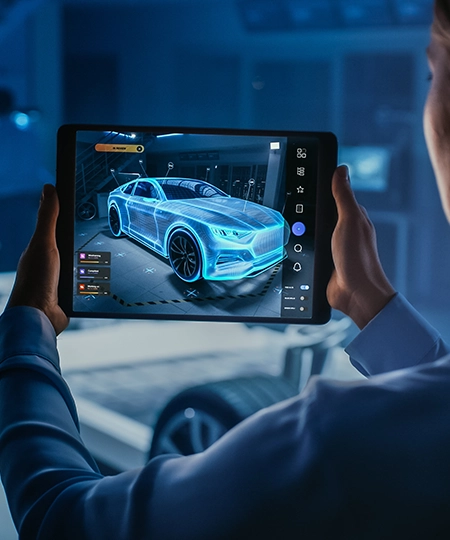
From Vehicle Architecture to Engineering Intelligence
LTTS pioneers engineering innovation with expertise in SDV transformation, AI analytics, cybersecurity, and digital twin validation, driving global technological advancements.

The Role of Artificial Intelligence in Automotive Cybersecur...
AI-driven solutions enhance automotive cybersecurity by mitigating vulnerabilities, securing SDV architectures, ensuring compliance, and fostering collaboration for adaptive, robust security.
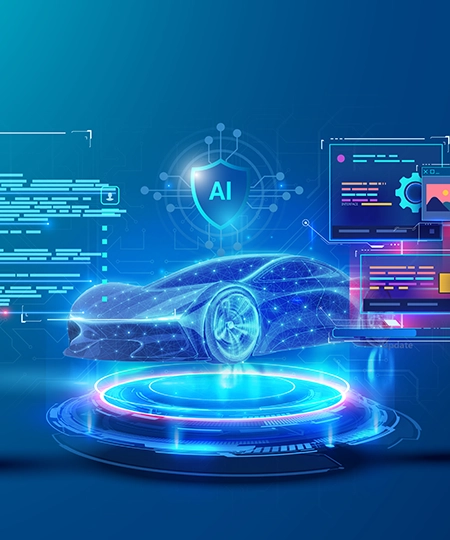
Preparing for SDV2.0: Key Considerations for Global OEMs
There is a considerable amount of interest in the Software-Defined Vehicle (SDV) – and the trend is accelerating.

Revolutionizing Software-Defined Vehicles with Service-Orien...
Engineering innovation is often seen as the driving force for the progress of our civilization. From handheld devices to the mighty rockets for deep space exploration, in ovation holds the key to the future.

The SDV-EV Convergence: Driving a New Era of Smart Mobility
Electric Vehicles are essential for a clean and sustainable future as they help reduce greenhouse gas emissions and improve air quality

Automotive Engineering
LTTS revolutionizes automotive engineering with expertise in SDVs, electrification, autonomous driving, and connected mobility, delivering innovative, sustainable solutions for global automakers.

LTTS provides solutions & services to automotive OEMs and Tier 1 suppliers across the vehicle development lifecycle, spanning software-defined mobility, eMobility, autonomous driving, connected mobility, smart cockpits, body and vehicle dynamics, and vehicle engineering. Its multidisciplinary capabilities cover E/E architecture, in-vehicle platform software, embedded systems, virtual development and validation, cybersecurity, AI-led engineering, and product and manufacturing engineering. Backed by 20+ years of automotive experience, 30+ ready-to-deploy platforms, frameworks and accelerators, and a global design centers, labs and CoEs, LTTS helps customers address complex engineering challenges and accelerate next-generation vehicle development.
LTTS supports end-to-end electric vehicle development, from system design and controls engineering to component development, integration, and validation. Its capabilities span battery management systems, electric motors and drives, power electronics, electric powertrains, and onboard and offboard charging systems, backed by extensive automotive experience and ready-to-deploy platforms, frameworks, and accelerators. LTTS’s eMobility Lab is NABL-accredited as per ISO/IEC 17025 standards and offers performance, endurance, and functional testing for critical EV components, helping customers validate reliability and performance across the development lifecycle.
LTTS enables connected and immersive vehicle experiences by connecting in-vehicle systems with telematics, cloud platforms, data services, and secure connectivity. Its capabilities span connected vehicle engineering, digital cockpit and infotainment experiences, vehicle-to-cloud integration, and secure over-the-air software and firmware updates. By combining onboard and offboard engineering, LTTS helps OEMs remotely enhance vehicle features, deliver personalized experiences, and keep vehicles connected, secure, and continuously up to date across the lifecycle.
A software-defined vehicle uses software to define and continuously enhance vehicle functions, performance, and user experience. It shifts automotive development toward centralized or zonal architectures, enabling faster software integration, virtual validation, over-the-air updates, and continuous safety and compliance assurance. LTTS supports this transition through E/E architecture, platform software, cloud, cybersecurity, automated validation, and lifecycle traceability.
ADAS and autonomous vehicle development require integrated capabilities across sensor engineering, perception, sensor fusion, localization, intelligent algorithms, decision-making, path planning, and vehicle control. LTTS brings these disciplines together to support development from system design through real-world validation, backed by expertise in functional safety and cybersecurity. This integrated approach helps OEMs develop safer, more reliable, and scalable automated-driving systems across the vehicle lifecycle.
Automotive testing and virtual validation reduce development time by enabling engineers to test vehicle systems and software earlier, before physical prototypes are fully available. LTTS combines simulation, virtualization, scenario-based testing, and automated verification and validation to identify issues sooner, improve test coverage, and reduce repeated physical testing. This shift-left approach supports faster engineering iterations and helps OEMs bring safer, more reliable vehicles to market efficiently.