


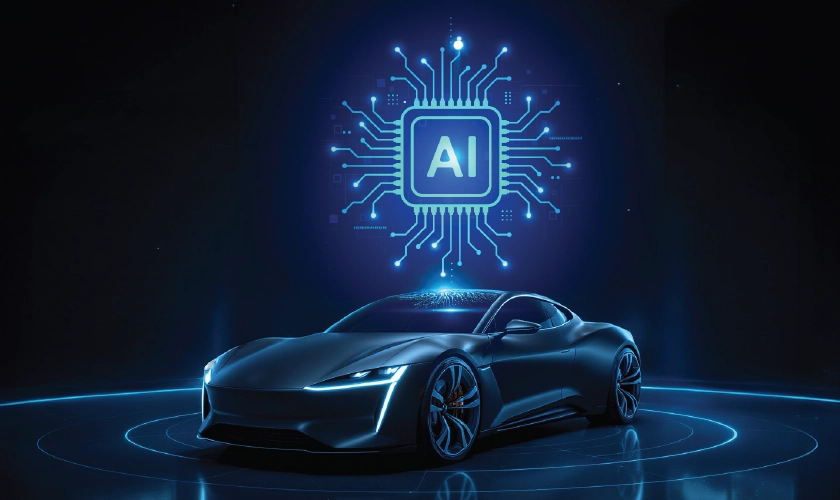

自動車
私たちは、自動車製品エンジニアリングにおける大規模なエコシステムの変革を目の当たりにしている。ソフトウェアはますます重要な役割を果たすようになり、自動車運転のさまざまな側面を定義し、制御し、推進している。モビリティの未来を形作る進化するパラダイムには、安全性の確保、性能の向上、再定義されたユーザー体験の実現などが含まれる。
その結果、世界の自動車業界は、ゾーン(またはドメイン・コントローラ)ベースのアーキテクチャを採用した集中型の高性能コンピュート・システムの活用に重点を置き、ソフトウェア定義型自動車(SDV)の未来の実現に貢献しながら、変革を遂げようとしています。
自動車の電動化、自律走行、コネクテッドモビリティ、車両エンジニアリングにおける深い自動車工学の経験と、当社の幅広い革新的なモビリティソリューションを組み合わせることで、LTTSは世界中の顧客がモビリティの次の波を推進できるようにしています。LTTSのグローバルチームは、最大手の自動車メーカー、OEM、Tier 1と協力し、既存の課題に取り組み、新たな機会を引き出し、自動車のライフサイクルの旅全体で強固な価値パラダイムを推進しています。

グローバルな自動車ビジネスの成功を確実にする




新しい自動車価値パラダイムを提供する


ソリューション

eVOLTTS
次世代電気自動車向けeモビリティ・プラットフォームを自社開発

エッジニア
エッジ管理フレームワーク

リファクト
AUTOSARオートメーション&アクセラレーション・フレームワーク

エンベデッドビオ
ハードウェアとソフトウェアの仮想化フレームワーク

マイクロHIL
デバイス/HILファーム向けにコストを最適化したHILベースのカスタマイズ可能なテストソリューション

アノテーションAI
AIベースの、クラウドにとらわれない、エンドツーエンドの自動データ注釈プラットフォーム

マルチECU車両ネットワーク/パワーシミュレータ
マルチECUのパワーアップおよびネットワーク管理テストの自動テストシーケンス

適応型AUTOSARミドルウェアフレームワーク
AWS環境における適応AUTOSARバージョンのボード立ち上げとポーティング

シムMBD
モデルベース開発・テストツール

コネクテッド・カー
エンド・ツー・エンドのテレマティクス・プラットフォーム・アズ・ア・サービス

セキュア・カー・プラットフォーム
ML SOTA/FOTA更新のための安全なデータ収集と転送

エブクオール
車載インフォテインメントとデジタル・コックピットのためのAndroidベースのテスト自動化フレームワーク

セーフエックス
クラウド対応でCI/BA駆動の機能安全フレームワークとテストスケジューラにより、ソフトウェア開発とテストのためのワークベンチを実現。

ADプラットフォーム
次世代自律走行車向け自社製自律走行モビリティ・プラットフォーム
主要ラボのインフラ
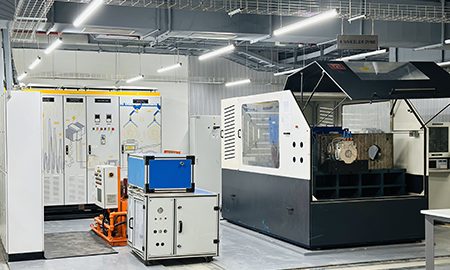
電気自動車ラボ
次世代電気自動車のコンポーネントとシステムのエンジニアリングとテストを行うイノベーション・デザイン・センター
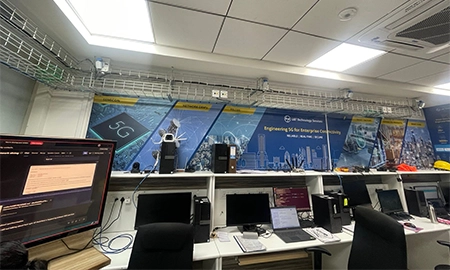
5Gラボ
5G開発、NFVベンチマーク、検証、設計サービスに注力
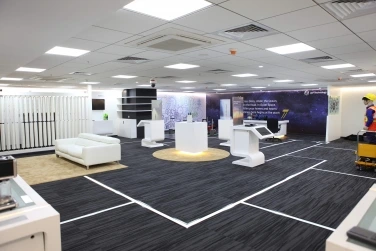
IOTラボ
コネクテッド・ワーカーからスマート燃料ディスペンサー、予測分析、産業用サイバーセキュリティまで、IoTソリューションが活気づく場所。
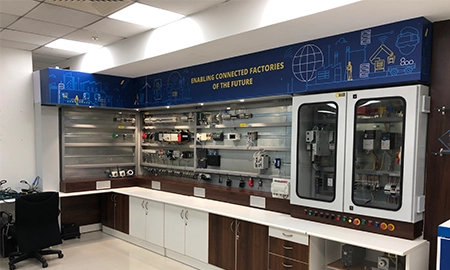
ファクトリー・ネクスト・ラボ
製造オペレーション管理のエンジニアリング・ソリューションに注力
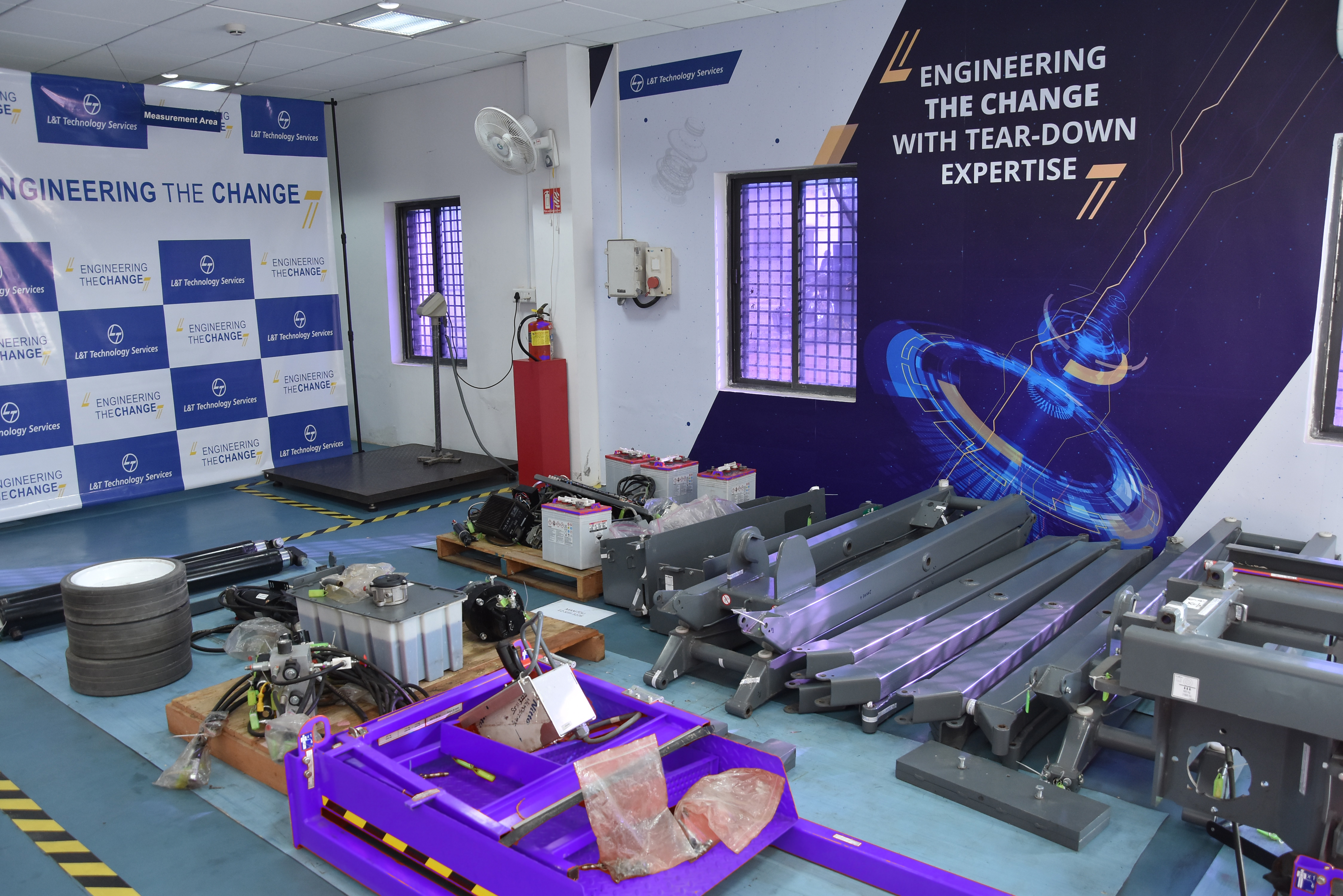
ティアダウン&プロダクト・エンジニアリング・ラボ
バリュー・エンジニアリング&バリュー・アナリシス・センターは、複雑なモビリティの課題を解決し、イノベーションと競争優位性を推進することに注力しています。
サクセスストーリー
自動車における5Gコネクティビティの開拓:次世代テレマティクス制御ユニットとコネクティビティ・プラットフォームのテストに関するケーススタディ
急速に進化する自動車業界において、当社のクライアントは、次世代5Gコネクティビティを自動車に統合することで、イノベーションの最前線に立つことを目指していました。
詳しく知る
EU OEM向けコックピット・ソフトウェア開発とテスト
LTTSは、顧客が製品ラインを標準化し、車載インフォテインメント用の集中型プラットフォームを開発し、開発時間とコストを削減しながら、市場投入までの時間を短縮できるよう支援しました。
詳しく知る
次世代電気自動車のための統合eAXLE
急速に進化する自動車技術の状況の中で、私たちのクライアントは、さまざまなe-パワートレイン部品を統合することによってイノベーションをリードすることを目指していました。
詳しく知る

リソース
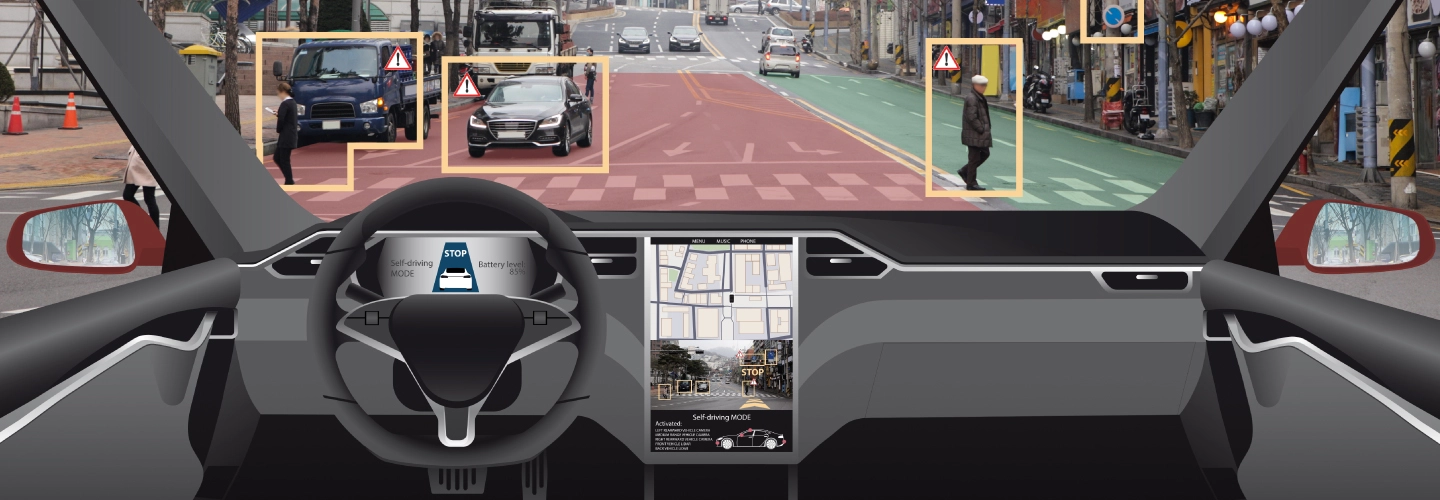
サービス指向アーキテクチャでSoftware-Defined Vehicleに革命を起こす:革新的な視点
技術革新は、しばしば文明の進歩の原動力と見なされる。携帯機器から深宇宙探査用の巨大なロケットに至るまで、オベーションは未来への鍵を握っている。


ISG オートモーティブ&モビリティサービス&ソリューション - 北米
LTTSは、2025年版「ISG Provider Lens®」レポートにおいて、「自動車エンジニアリングおよび製造サービス(北米)」部門のリーダーとして認定されました。
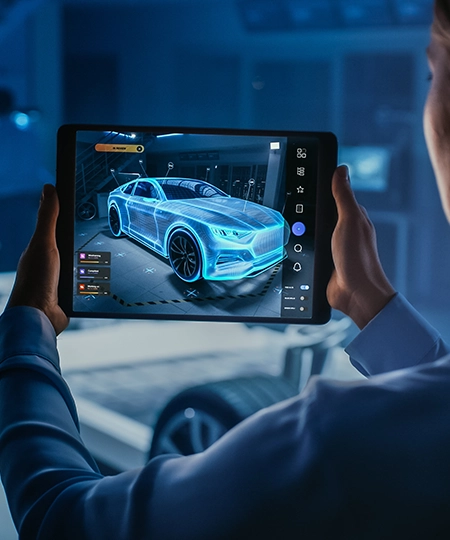
ISG 電気自動車とモビリティ・サービス - 北米
LTTSは、2025年ISG Provider Lens®レポートにおいて、自動車およびモビリティサービスおよびソリューション - 電気自動車およびモビリティサービス - 北米におけるリーダーとして評価されました。
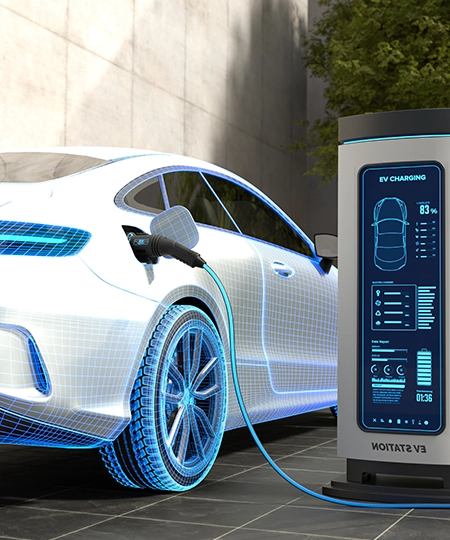
From Vehicle Architecture to Engineering Intelligence
LTTS pioneers engineering innovation with expertise in SDV transformation, AI analytics, cybersecurity, and digital twin validation, driving global technological advancements.

The Role of Artificial Intelligence in Automotive Cybersecur...
AI-driven solutions enhance automotive cybersecurity by mitigating vulnerabilities, securing SDV architectures, ensuring compliance, and fostering collaboration for adaptive, robust security.
Preparing for SDV2.0: Key Considerations for Global OEMs
There is a considerable amount of interest in the Software-Defined Vehicle (SDV) – and the trend is accelerating.

Revolutionizing Software-Defined Vehicles with Service-Orien...
Engineering innovation is often seen as the driving force for the progress of our civilization. From handheld devices to the mighty rockets for deep space exploration, in ovation holds the key to the future.
The SDV-EV Convergence: Driving a New Era of Smart Mobility
Electric Vehicles are essential for a clean and sustainable future as they help reduce greenhouse gas emissions and improve air quality
Automotive Engineering
LTTS revolutionizes automotive engineering with expertise in SDVs, electrification, autonomous driving, and connected mobility, delivering innovative, sustainable solutions for global automakers.
LTTS provides solutions & services to automotive OEMs and Tier 1 suppliers across the vehicle development lifecycle, spanning software-defined mobility, eMobility, autonomous driving, connected mobility, smart cockpits, body and vehicle dynamics, and vehicle engineering. Its multidisciplinary capabilities cover E/E architecture, in-vehicle platform software, embedded systems, virtual development and validation, cybersecurity, AI-led engineering, and product and manufacturing engineering. Backed by 20+ years of automotive experience, 30+ ready-to-deploy platforms, frameworks and accelerators, and a global design centers, labs and CoEs, LTTS helps customers address complex engineering challenges and accelerate next-generation vehicle development.
LTTS supports end-to-end electric vehicle development, from system design and controls engineering to component development, integration, and validation. Its capabilities span battery management systems, electric motors and drives, power electronics, electric powertrains, and onboard and offboard charging systems, backed by extensive automotive experience and ready-to-deploy platforms, frameworks, and accelerators. LTTS’s eMobility Lab is NABL-accredited as per ISO/IEC 17025 standards and offers performance, endurance, and functional testing for critical EV components, helping customers validate reliability and performance across the development lifecycle.
LTTS enables connected and immersive vehicle experiences by connecting in-vehicle systems with telematics, cloud platforms, data services, and secure connectivity. Its capabilities span connected vehicle engineering, digital cockpit and infotainment experiences, vehicle-to-cloud integration, and secure over-the-air software and firmware updates. By combining onboard and offboard engineering, LTTS helps OEMs remotely enhance vehicle features, deliver personalized experiences, and keep vehicles connected, secure, and continuously up to date across the lifecycle.
A software-defined vehicle uses software to define and continuously enhance vehicle functions, performance, and user experience. It shifts automotive development toward centralized or zonal architectures, enabling faster software integration, virtual validation, over-the-air updates, and continuous safety and compliance assurance. LTTS supports this transition through E/E architecture, platform software, cloud, cybersecurity, automated validation, and lifecycle traceability.
ADAS and autonomous vehicle development require integrated capabilities across sensor engineering, perception, sensor fusion, localization, intelligent algorithms, decision-making, path planning, and vehicle control. LTTS brings these disciplines together to support development from system design through real-world validation, backed by expertise in functional safety and cybersecurity. This integrated approach helps OEMs develop safer, more reliable, and scalable automated-driving systems across the vehicle lifecycle.
Automotive testing and virtual validation reduce development time by enabling engineers to test vehicle systems and software earlier, before physical prototypes are fully available. LTTS combines simulation, virtualization, scenario-based testing, and automated verification and validation to identify issues sooner, improve test coverage, and reduce repeated physical testing. This shift-left approach supports faster engineering iterations and helps OEMs bring safer, more reliable vehicles to market efficiently.