LTTS LTwin
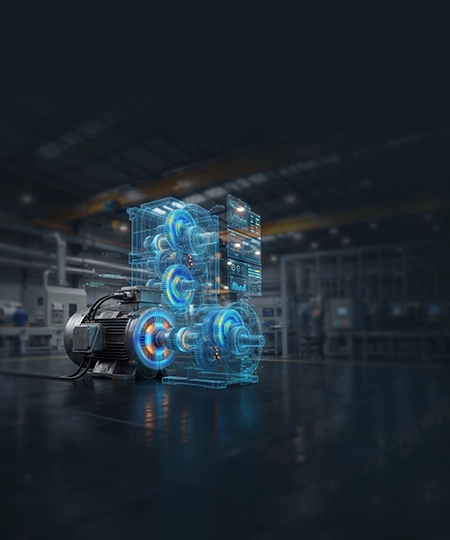
LTwin is LTTS' physics-integrated digital twin platform. It fuses first-principles engineering with AI to build living replicas of machines and assets - forecasting degradation, sensing what instruments cannot measure, and validating designs virtually across the Design, Operations and Service lifecycle.
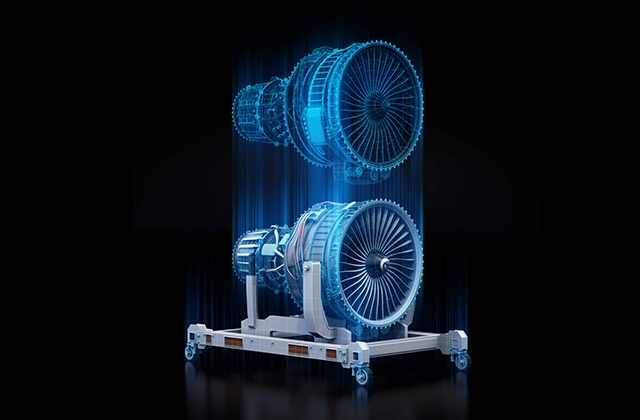
Most Digital Twins Go Blind exactly when you need them
A data-only twin learns from history. But the assets that matter most are often the ones you have the least history on – a new design, a new duty cycle, a multi-vendor fleet built to a spec sheet with no drawings.
And the moment a failure begins is the moment the data runs out.
No history, no prediction
Statistical models need run-to-failure data a new asset or duty cycle does not have

The failure starts where no sensor fits
Cracks initiate between gear teeth, heat peaks inside windings – no scope to instrument the point that matters

Sensors drift, degrade, and die
Strain gauges fail in hot, contaminated oil. When the instrument goes, a data-only twin goes dark

Physical testing burns months
Certifying each design variant on a rig consumes months of test time and capital before a unit ships

The result: you learn how the asset failed by stripping it down – after it is already down.
What You Get From LTwin
Predicts new-asset behavior:Tells you how an asset will behave, even a brand-new one with no past failures to learn from
Virtual sensing: Sees temperature, force and stress at points where no physical sensor can be fitted - and keeps working if a sensor fails
Real-time monitoring and control: A live dashboard to watch the asset, set safe limits, and start, stop or adjust it from the screen
Condition monitoring: Tracks vibration, torque, and temperature continuously, and warns before the asset reaches a damaging speed
Predictive maintenance: Spots wear early and estimates how much useful life is left – so you service on evidence, not a calendar
Quality control: Flags the moment a reading drifts out of range, in real time
What-if analysis: Test a change — a higher speed, a hotter day, and see the effect instantly, without touching the real asset
Fits your systems: Runs at the edge and in the cloud, and connects to your PLM and MES
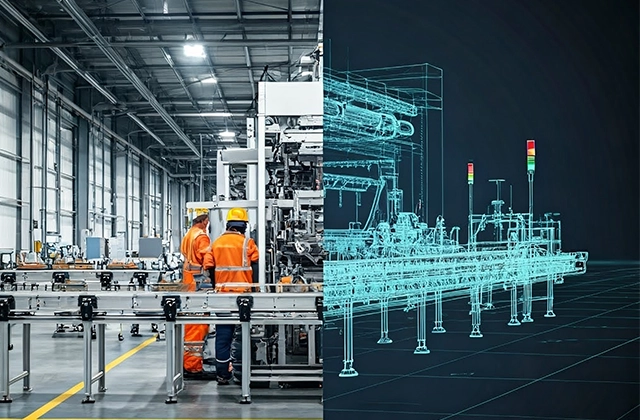
Where LTwin is Put to Work
The same twin, applied wherever failure is expensive and the failure point is hard to reach.


What LTwin does
Predicts cracks and remaining life across a mixed-vendor fleet built to spec with no drawings — from vibration and torque data.

Outcome
~90% crack accuracy


What LTwin does
Watches vibration, torque and resonance, and warns when a speed would shake the drivetrain too hard.

Outcome
Safe-speed control


What LTwin does
Predicts heat build-up in the battery, inverter, controller and motor, and acts to prevent overheating.

Outcome
Failure modes averted


What LTwin does
Predicts remaining life and pinpoints why parts fail early, without a full physical test campaign.

Outcome
From 3 months to under 1


What LTwin does
Reads the motor's electrical and structural behavior against live data to catch failures before they spread.

Outcome
Virtual sensing

What LTwin does
Spots heat drift and performance loss in simulation before any hardware is built.
Outcome
~75% less test time
Deployed across: Wind and Energy | Automotive and EV | Industrial Equipment
Why LTwin Works When Others Fail
The difference shows up in the hard moments – a brand-new asset, a failure point you can't reach, a sensor that has died.

Ordinary twins can only learn from past failures. LTwin starts from engineering physics, so it works on brand-new assets from day one.
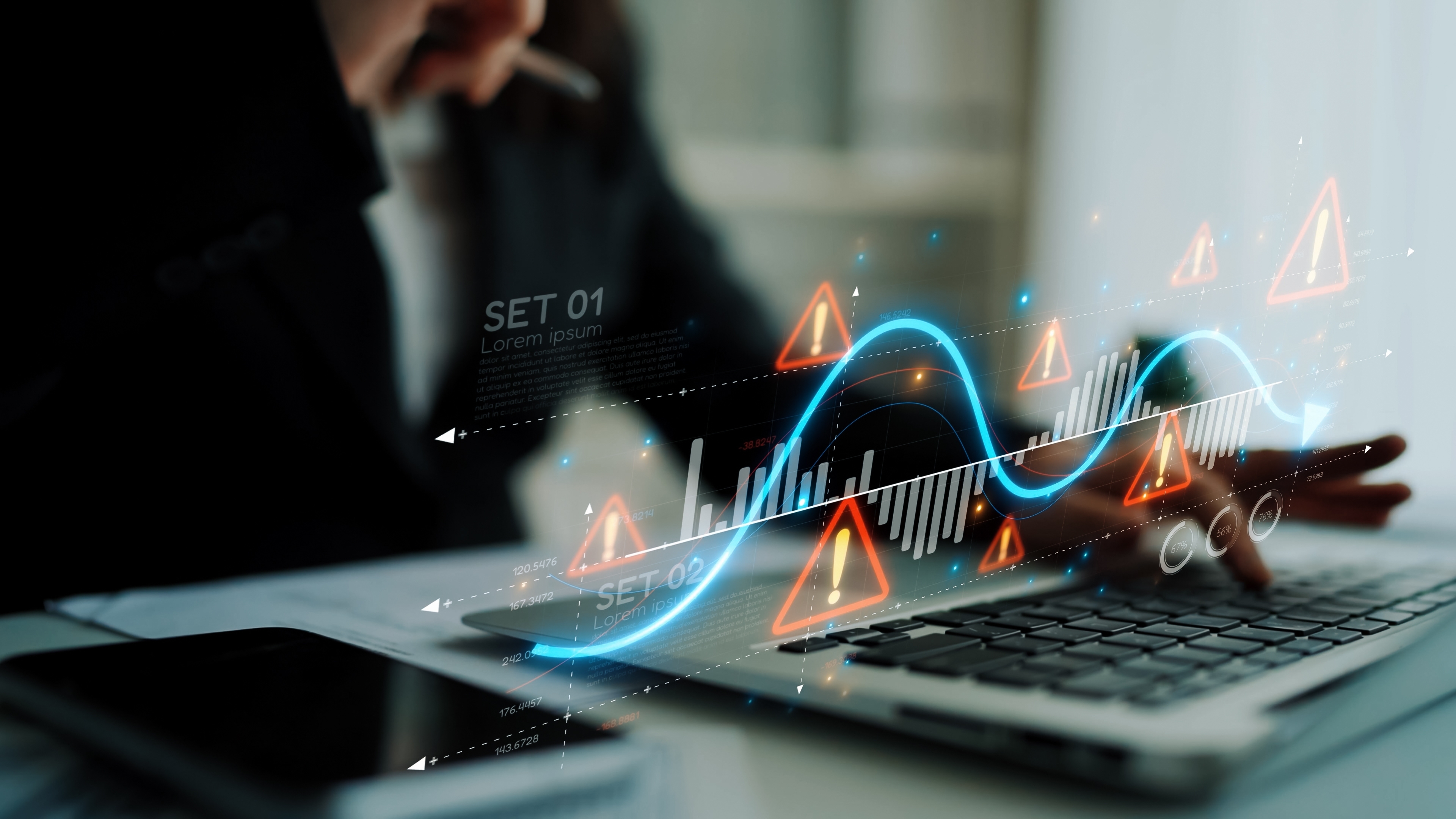
Most tools tell you something has already changed. LTwin tells you what will happen next, and how long the asset has left.

LTwin reports temperature, force and stress at points no sensor can be fitted, and keeps working even if a sensor fails.

LTwin traces a problem to its physical cause, instead of guessing from patterns in the data.
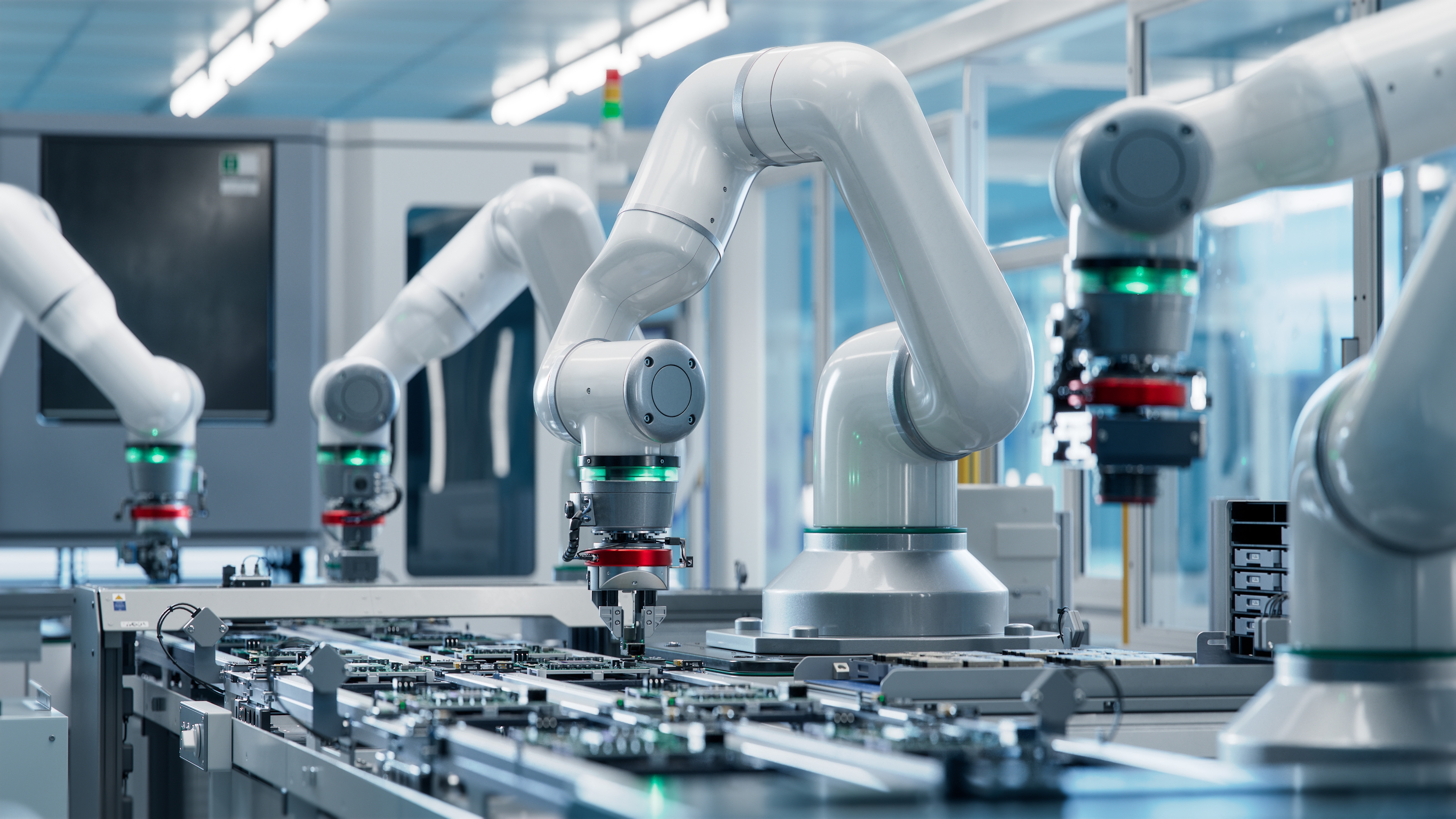
Every LTwin model is checked against the physical asset before it is trusted – matched to 91.4% on the reference gearbox.
Built on solid engineering foundations.
LTwin builds on LTTS’ 40+ years of manufacturing engineering expertise and a Digital Twin Center of Excellence with Microsoft, Bentley, and Ansys.
Fewer rigs. Fewer surprises. Faster to market.
- Faster validation: Replace months of physical testing with simulation - yaw-gear testing went from three months to one
- Predictable uptime: Catch failures early and turn unplanned breakdowns into planned maintenance
- See the unmeasurable: Get visibility into behavior your sensors are unable to measure
- Works with thin data: Runs on new assets and mixed fleets, and keeps going when a sensor fails
- Trustworthy by design: Every prediction is backed by a model checked against the real machine
Design faster. Operate smarter. Maintain what matters.
Success Stories
Driving Industrial Excellence Via LTwin
LTTS embedded first-principles engineering into AI for a wind farm operator—predicting crack initiation with 90% accuracy and 75% faster certification.
Know More
Engineering the Lights-Out Factory
Discover how LTTS unified automotive engineering with an OpenUSD digital twin, enabling collaboration, faster commissioning, predictive operations, and visibility.
Know More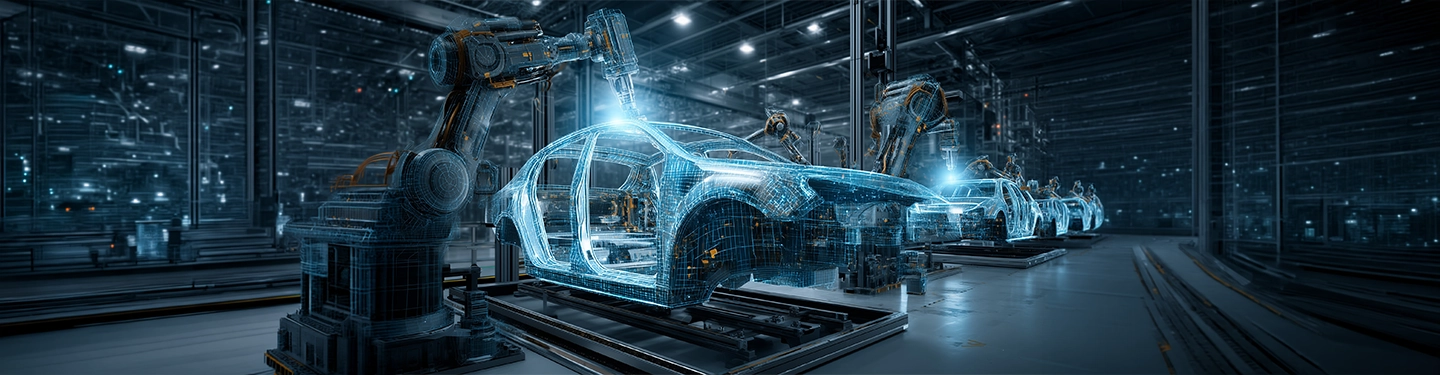
Resources
Failures Begin Where Your Sensors End
LTTS' LTWin is a physics-integrated digital twin predicting equipment failures with ~90% accuracy - embedding engineering equations into AI across the asset lifecycle.